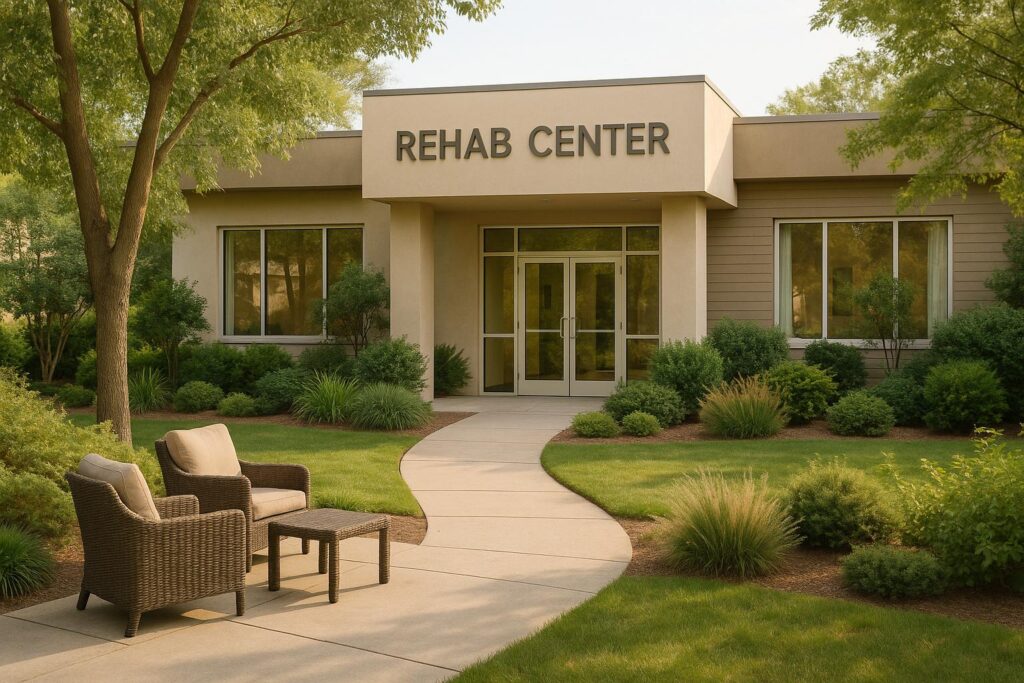
When selecting a rehab center, your choice can directly impact recovery success. Here are the 10 most important factors to consider:
- Accreditation and Licensing: Ensure the facility meets safety and treatment standards. Look for certifications like The Joint Commission or CARF.
- Qualified Staff: Verify the credentials and experience of medical directors, therapists, and nurses.
- Treatment Programs: Look for a variety of options like inpatient, outpatient, and medication-assisted treatment (MAT).
- Location: Decide between staying close to home for family support or seeking treatment in a new environment.
- Cost and Insurance: Confirm what your insurance covers and explore payment plans or sliding scale fees if needed.
- Program Duration: Choose a timeline that fits your needs – options range from short-term detox to long-term care.
- Aftercare Support: Strong aftercare services like counseling, relapse prevention, and alumni programs are key.
- Amenities: Comfortable living arrangements, recreational facilities, and nutritious meals can enhance your experience.
- Reputation: Research success rates, reviews, and third-party validations to assess the center’s reliability.
- Specialized Services: If you have co-occurring mental health conditions or specific needs, ensure the center provides tailored care.
Quick Tip: Visit facilities, ask detailed questions, and verify credentials to find the best fit for your recovery journey.
How To Choose The Right Rehab For You
1. Accreditation and Licensing
Accreditation and licensing are essential safeguards against subpar care. These credentials ensure that a facility adheres to strict standards for safety, ethical practices, and treatment quality. Without them, you could face inadequate care that jeopardizes your recovery.
The Joint Commission sets the benchmark for healthcare accreditation in the U.S. Facilities accredited by this organization undergo thorough evaluations every three years, focusing on safety measures and staff training. Another respected certification comes from the Commission on Accreditation of Rehabilitation Facilities (CARF), which specializes in behavioral health and addiction treatment programs.
State licensing requirements vary widely across the country, but every legitimate rehab center must hold a valid state license. These licenses confirm compliance with local rules on staffing, safety, and treatment protocols. To verify a facility’s credentials, check your state health department’s website, which often includes a searchable database of licensed providers. The Joint Commission’s website also offers a "quality check" tool to search for accredited organizations by name or location.
Be cautious of red flags. Facilities that can’t provide their licensing numbers, have expired certifications, or seem vague about their accreditation status may not meet essential standards. Some may claim they’re “seeking accreditation” or “renewing certifications.” While this doesn’t automatically disqualify them, it does mean they lack critical protections at the moment.
Accreditation can also impact insurance coverage. Many insurers, including Aetna, Blue Cross Blue Shield, and Cigna, require facilities to be accredited to qualify for reimbursement. Accredited centers often meet measurable quality standards and are associated with better patient outcomes, making this verification important not just for safety but also for financial reasons.
Specialized certifications can indicate expertise in specific areas. For instance, membership in the National Association of Addiction Treatment Providers (NAATP) suggests adherence to industry best practices, while compliance with American Society of Addiction Medicine (ASAM) criteria signals evidence-based treatment methods.
2. Staff Qualifications and Experience
Once you’ve confirmed a facility’s accreditation, it’s time to evaluate the expertise of the professionals who will guide your recovery. The success of your treatment heavily depends on the skills and experience of the staff. The qualifications and background of a rehab center’s team play a critical role in shaping the effectiveness of its programs.
Medical directors should have board certifications in addiction medicine or psychiatry. Look for certifications from the American Board of Addiction Medicine (ABAM) or the American Board of Psychiatry and Neurology. These credentials ensure that the medical director has undergone extensive training and continues to pursue professional development. Since medical directors oversee critical aspects like medication management and withdrawal protocols, their expertise is vital for ensuring safe detox and comprehensive care.
Licensed therapists and counselors are central to addiction treatment. Choose facilities staffed with professionals such as Licensed Clinical Social Workers (LCSWs), Licensed Professional Counselors (LPCs), or Licensed Marriage and Family Therapists (LMFTs). These individuals have completed advanced degrees, logged thousands of supervised clinical hours, and passed rigorous state licensing exams. Many also hold additional certifications, such as Certified Addiction Counselor (CAC) or Master Addiction Counselor (MAC), which demonstrate a deeper focus on addiction treatment.
Nursing staff with addiction-specific training are essential. Registered nurses should ideally hold certifications like the Psychiatric-Mental Health Nursing credential from the American Nurses Credentialing Center or addiction-focused certifications from the Addictions Nursing Certification Board. These nurses play a critical role in monitoring vital signs during detox, administering medications, and providing 24/7 medical support during the most vulnerable stages of recovery.
Staff-to-patient ratios are a key indicator of personalized care. High-quality centers typically maintain counselor-to-patient ratios of 1:8-12 in residential programs and nurse-to-patient ratios of 1:10-15 during detox. Facilities with higher ratios may struggle with understaffing, potentially compromising both safety and the quality of care. During your visit, ask about current caseloads and observe whether staff members seem overburdened or rushed.
Specialized experience with your specific addiction matters. For example, a counselor with years of general mental health experience may not be as effective in treating opioid addiction as someone with a few years of focused expertise in substance abuse. Ask about the staff’s experience with your particular substance of concern, whether it’s alcohol, opioids, cocaine, or prescription medications.
Ongoing training ensures staff stay up-to-date with evidence-based practices. The National Association for Addiction Professionals requires certified counselors to complete 40 hours of continuing education every two years. Facilities committed to regular staff training are more likely to offer treatments that reflect the latest research and best practices.
Staff stability is important for consistent care. High turnover can disrupt the continuity of treatment. During your initial consultation, inquire about the average tenure of staff and whether your primary counselor will remain consistent throughout your stay. Consistency can significantly enhance the therapeutic relationship and overall experience.
Specialized certifications can indicate expertise in treating co-occurring disorders. If you’re dealing with addiction alongside conditions like anxiety, depression, or trauma, seek out staff with certifications in Dual Diagnosis or Trauma-Informed Care. Organizations like the International Association of Trauma Professionals and the Co-Occurring Disorders Society offer credentials that reflect advanced skills in managing complex cases, ensuring a more tailored and effective treatment approach.
3. Range of Treatment Programs
The variety of treatment programs available plays a critical role in ensuring you receive care tailored to your unique needs. Since addiction impacts everyone differently, effective treatment must consider your personal circumstances, the severity of your addiction, and any underlying issues. Here’s a breakdown of the main treatment options you might encounter.
Inpatient residential treatment offers the most structured and intensive care. These programs typically last 30, 60, or 90 days, during which you live at the facility full-time. According to the American Society of Addiction Medicine (ASAM), residential care is ideal for individuals requiring round-the-clock medical supervision or those managing significant mental health challenges alongside addiction.
Partial hospitalization programs (PHP) provide intensive care with the flexibility to return home each evening. These programs usually run 6-8 hours a day, 5-7 days a week, and include individual therapy, group sessions, and medical monitoring. PHP is often a good fit for those transitioning from residential treatment or individuals who need intensive care but have a stable support system at home.
Intensive outpatient programs (IOP) cater to those balancing treatment with daily responsibilities. Designed for people with mild to moderate addictions, IOP typically involves 3-4 sessions per week, each lasting 3-4 hours, often scheduled during evenings or weekends. This setup works well for working professionals, parents, or students. Many insurance plans, including those under the Affordable Care Act, cover IOP services at the same rate as other medical treatments.
Medication-assisted treatment (MAT) is essential for managing opioid and alcohol addictions. The Food and Drug Administration (FDA) has approved medications like buprenorphine, methadone, and naltrexone for opioid addiction, while naltrexone, acamprosate, and disulfiram are effective for alcohol use disorders. MAT combines these medications with counseling and behavioral therapies for a more comprehensive approach.
Specialized programs address the unique needs of specific groups. Gender-specific treatment, for example, acknowledges that men and women often face different addiction triggers and recovery challenges. Programs tailored for healthcare professionals, veterans, or LGBTQ+ individuals offer support for the distinct issues these groups encounter. Young adult programs, typically for those aged 18-26, focus on challenges like college stress, career development, and family dynamics.
Dual diagnosis treatment is vital for those dealing with addiction alongside mental health issues. The National Institute on Drug Abuse estimates that roughly 50% of individuals with addiction also have a co-occurring mental health condition. Integrated treatment that addresses both addiction and mental health simultaneously leads to better outcomes.
Evidence-based therapies form the backbone of effective treatment. Approaches like Cognitive Behavioral Therapy (CBT) help identify and change harmful thought patterns that contribute to substance use. Dialectical Behavior Therapy (DBT) focuses on emotional regulation, especially for individuals with trauma histories. Motivational Interviewing builds internal motivation for change, while Contingency Management uses positive reinforcement to encourage sobriety.
Family involvement is a powerful tool in recovery. The Center for Substance Abuse Treatment highlights that family participation can significantly improve long-term recovery outcomes. Many rehab centers offer family therapy sessions, educational workshops, and structured family weekends to rebuild relationships and equip loved ones with the tools to support recovery without enabling addictive behaviors.
Holistic therapies can complement traditional treatment methods. Practices like art therapy, yoga, and meditation help address deep-seated trauma and provide healthy coping strategies.
Flexibility in treatment levels ensures continuity of care. Quality rehab centers adapt treatment intensity as needed – stepping down from residential to PHP or stepping up from IOP to residential in cases of relapse. This flexibility allows you to maintain relationships with your treatment team and avoid disruptions in care.
When exploring rehab centers, organizations like Sober Living Centers offer valuable resources to help you navigate your options. Their guidance can assist in identifying the right combination of programs to support your recovery journey. A diverse range of treatment options, combined with expert staff and proper accreditation, ensures your care is tailored to your unique needs and goals.
4. Location and Environment
Where a rehab center is located and the surrounding environment can play a major role in your recovery journey. It’s worth considering whether staying close to home or seeking treatment in a completely new setting will better support your needs.
Being near home has its advantages. It allows for easier family involvement and regular visits, which can provide a strong support system. However, it may also mean facing familiar triggers that could complicate your recovery. On the other hand, traveling to a center farther away can create a sense of separation from old habits and offer a chance to establish healthier routines in a new environment.
Climate is another factor to think about. If seasons or weather shifts influence your mood, choosing a location with a favorable climate might improve your experience. For instance, sunny destinations like Southern California often provide opportunities for outdoor therapies year-round, while mountainous areas might appeal to those who find solace in nature-based activities.
Urban and rural settings each bring unique benefits. A city-based rehab center, such as one in New York, offers diverse treatment options and easy access to ongoing care. Meanwhile, rural centers often emphasize a peaceful, distraction-free environment, with outdoor activities that encourage personal reflection and growth.
The type of facility also matters. Hospital-based programs are ideal for those needing close medical supervision, especially during detox. Residential centers, by contrast, often provide a more relaxed atmosphere that fosters open and meaningful therapy sessions. Campus-style facilities may offer a mix of amenities, including recreational spaces, to balance group interaction with personal downtime.
Safety and accessibility should not be overlooked. Look into the surrounding area – check crime rates, proximity to emergency medical care, and how easy it will be for family members to visit. A safe and welcoming environment enhances the overall treatment experience.
A clean, serene setting – complete with gardens, walking paths, or quiet spaces – can help you focus on recovery. Additionally, think about how the location will impact your return to daily life after treatment. If the center is far from home, consider how you’ll stay connected to your treatment team and access follow-up care. Many facilities offer alumni programs or collaborate with local providers to support long-term recovery.
Ultimately, choose a location that aligns with your goals and needs. Resources like Sober Living Centers can help you explore options and find a facility that offers the right environment and therapeutic approach for your situation.
5. Cost, Insurance, and Payment Options
The cost of rehab can vary significantly depending on the type of program, the services provided, and the duration of treatment. Inpatient programs often have higher costs due to the intensive level of care, while outpatient programs are generally more budget-friendly.
Thanks to the Mental Health Parity and Addiction Equity Act, most major insurance providers are required to cover addiction treatment. That said, the extent of coverage can differ. Private insurance and federal programs often cover a large portion of the costs, while Medicare typically includes medically necessary inpatient and outpatient services. Medicaid benefits also vary by state, with certain states offering expanded coverage for substance abuse treatment.
To avoid surprises, it’s important to check with your insurance provider about deductibles, copayments, and whether the facility is in-network. Out-of-network treatment could lead to higher out-of-pocket expenses. Many rehab centers have insurance specialists who can verify your benefits and provide cost estimates, which is a helpful step in planning.
For those with limited financial resources, some facilities offer sliding scale fees based on income. Additionally, many centers accept Health Savings Accounts (HSAs), Flexible Spending Accounts (FSAs), and offer payment plans to make treatment more manageable. Exploring these options can help you find a program that fits your budget.
If insurance coverage is limited, state-funded programs and nonprofit organizations can be a lifeline. The Substance Abuse and Mental Health Services Administration (SAMHSA) offers a treatment locator tool that highlights facilities with sliding scale fees or even free services. Employer Assistance Programs (EAPs) are another resource to consider, as they may provide financial support or referrals to affordable treatment options. Some employers also offer short-term disability benefits to help offset income loss during treatment.
Don’t forget to ask about any extra costs, such as fees for consultations, medications, family therapy, extended stays, or transportation. Resources like Sober Living Centers can also provide guidance on navigating insurance and finding facilities that balance affordability with quality care.
Understanding your financial options and aligning them with your treatment goals is a key step toward building a sustainable recovery plan.
6. Program Duration and Flexibility
The length of your rehab program plays a key role in your recovery journey. Treatment durations can vary widely – from short-term detox programs lasting about 7 days to more extensive plans that span up to two years. Some of the most common options include 7-day, 30-day, 60-day, 90-day, 6-month, 1-year, and 2-year programs. This range ensures there’s a timeline to suit different recovery needs and circumstances.
Longer programs provide more time to address individual challenges and establish a solid foundation for long-term recovery. Your treatment team will evaluate your specific situation to recommend the program length that aligns best with your personal goals.
For additional support in matching program duration to your recovery objectives, Sober Living Centers can offer valuable guidance.
sbb-itb-17645e5
7. Aftercare and Support Services
Aftercare services serve as the bridge between intensive treatment and independent living, making them a crucial aspect to consider when selecting a rehab center. Just like the initial treatment, the depth and quality of aftercare play a major role in achieving long-term recovery.
A strong aftercare program includes relapse prevention strategies that help you identify triggers and develop practical coping mechanisms. These services build on the progress made during treatment, providing a solid foundation for ongoing recovery. Personalized plans ensure you’re prepared to handle the challenges of everyday life.
Ongoing counseling is a must. Recovery doesn’t stop when treatment ends, and neither should your access to professional support. Many reputable rehab centers offer extended counseling on a sliding scale or through alumni programs, ensuring that financial concerns don’t hinder your ability to stay connected to critical resources.
Alumni networks and peer support groups are another cornerstone of aftercare. These groups foster meaningful connections with people who share similar experiences. Regular meetings, sober social events, and 24/7 support through phone lines or online platforms create a sense of community and accountability. These relationships often become a lifelong source of encouragement and understanding.
Some facilities also collaborate with sober living homes, offering step-down care that provides a safe environment to practice recovery while still benefiting from professional guidance.
Immediate crisis intervention is a lifesaver. Comprehensive aftercare programs include hotlines, emergency counseling, and quick re-entry options for those facing challenges. Having immediate support during tough moments can stop a minor setback from escalating into a full relapse. This kind of immediate response strengthens the continuity of care and reinforces the safety net established during treatment.
When reviewing aftercare options, ask about the frequency of follow-up contact and the protocols for extended support. Centers that prioritize robust aftercare show they are invested in your long-term well-being, not just in completing their program.
8. Facility Amenities and Comfort
The environment where you receive treatment plays a key role in your recovery journey. A poorly maintained facility can add unnecessary stress, while a clean, well-equipped space creates an atmosphere that encourages healing. It’s worth paying attention to the amenities offered to ensure they align with your needs.
Living arrangements shape your daily experience. Private rooms provide a personal retreat for rest and reflection, while shared rooms can encourage social connections and help reduce costs – though successful roommate pairing is crucial for this setup to work. Cleanliness, good ventilation, and access to natural light all contribute to better sleep and improved mental health.
Recreational facilities go beyond just keeping you entertained – they’re part of the healing process. Gyms, swimming pools, and outdoor areas offer opportunities for physical activity, which boosts endorphins and supports long-term recovery. Creative spaces like art rooms, music studios, and libraries open doors to new coping strategies and self-expression.
A strong meal program is essential for both body and mind. Nutritious meals prepared with care, along with accommodations for dietary restrictions or preferences, can make a significant difference in your overall health. Many facilities include dietitians to help address nutritional needs and support your recovery.
Access to technology and communication tools needs to strike the right balance. Limited but reasonable phone and internet access allows you to stay connected with loved ones and manage personal matters without distracting from treatment goals. Some centers even provide computers for tasks like job hunting, education, or staying in touch with family who live far away.
Practical comforts like laundry services, cozy common areas, and ample parking might seem small but make a big difference. These features reduce everyday stress, allowing you to focus fully on your recovery. Thoughtful touches like climate control, comfortable seating, and quiet spaces for reading or meditation further enhance the healing environment.
All these amenities work together to create a space that prioritizes recovery. A facility that invests in comfort and functionality shows its dedication to your well-being by addressing both practical needs and emotional comfort, helping to reduce stress and promote healing.
9. Success Rates and Reputation
When choosing a treatment center, it’s important to dig deeper than surface-level marketing claims. A facility’s success rates and reputation can provide valuable clues about how well it supports long-term recovery. But here’s the challenge: the addiction treatment field lacks standardized reporting practices, so getting accurate information often means asking the right questions directly.
Start by inquiring about specific success metrics. For example, ask about program completion rates or data on sustained recovery outcomes. If a center struggles to provide clear, concrete numbers or relies on vague responses, consider that a warning sign.
It’s also crucial to understand how the center defines "success." Does it mean completing the program? Achieving long-term sobriety? Or perhaps managing relapses effectively? Knowing their criteria will help you make sense of their reported results.
To validate a facility’s claims, look for independent outcome studies and check for accreditation from recognized organizations. Third-party verification adds an extra layer of credibility to their success stories.
Online reviews can also be a helpful resource. Look for consistent feedback across multiple platforms to get a clearer picture of the center’s reputation. Additionally, trusted healthcare providers, such as doctors or therapists, can offer valuable referrals based on their firsthand experiences with different facilities.
Transparency is another key factor. Reputable centers will provide clear information about costs and insurance options. If a facility is evasive about pricing, it’s a red flag that shouldn’t be ignored. Similarly, checking with state licensing boards can reveal any violations or complaints, offering insight into the center’s adherence to safety and patient care standards.
A facility with a long history of operation often reflects a well-established program and trust within the community. This longevity can speak volumes about its reliability.
Lastly, resources like Sober Living Centers can help guide you through evaluating treatment options and spotting potential red flags. By focusing on success metrics and reputation, you’ll be better equipped to assess the quality and reliability of a treatment facility.
10. Specialized Services and Dual Diagnosis Treatment
For many individuals in rehab, addressing substance abuse alone isn’t enough. Dual diagnosis treatment focuses on tackling both addiction and co-occurring mental health conditions, such as depression, anxiety, PTSD, or bipolar disorder. This combined approach is critical because untreated mental health issues often lead to relapse, even after addiction treatment.
When exploring rehab centers, be sure to ask about their dual diagnosis capabilities. Not all facilities offer this type of integrated care, and their methods can differ significantly. Centers that specialize in dual diagnosis often pair these services with programs tailored to specific patient groups.
Specialized addiction programs are designed to address particular substances, like opioids, alcohol, or methamphetamines, as well as behavioral addictions such as gambling or sex addiction. Some programs cater to specific populations, including healthcare professionals, veterans, LGBTQ+ individuals, or adolescents. For example, gender-specific programs may focus on trauma recovery and domestic violence for women or anger management for men.
For individuals with a history of trauma, trauma-informed care is a key component. Techniques like Eye Movement Desensitization and Reprocessing (EMDR) or somatic therapy are often used to help patients process and heal from physical, emotional, or sexual trauma.
Age-specific programs also play an important role. Adolescent-focused centers typically incorporate family therapy and academic support, while programs for older adults might address prescription drug dependency or addiction that arises later in life.
For those dealing with opioid addiction, some facilities offer medication-assisted treatment (MAT) using medications like buprenorphine, methadone, or naltrexone. This approach has shown strong results for opioid use disorder, but not all rehab centers are equipped or licensed to provide it.
There are also executive programs designed for working professionals, offering flexible schedules and private accommodations to help them balance treatment with their responsibilities.
When considering any specialized program, it’s important to confirm that these services are integrated into the center’s broader treatment framework. Check that the staff is properly trained and certified in the areas they claim to specialize in. Ask about the specific therapies they use and how they combine these specialized treatments with their general addiction care. Resources like Sober Living Centers can help you learn about different treatment options and locate facilities with the services you need.
Ultimately, the goal is to find a rehab center that aligns with your unique needs. Generic, one-size-fits-all programs often fall short because they don’t address the underlying factors contributing to addiction or the co-occurring conditions that must be treated for long-term recovery success.
Comparison Table
Take a look at the table below to quickly compare key features of different rehab center options.
| Factor | Inpatient Residential | Outpatient Programs | Luxury Facilities | State-Funded Centers |
|---|---|---|---|---|
| Average Cost | Higher due to 24/7 comprehensive care | More affordable than residential options | High due to upscale amenities | Lower cost, often subsidized |
| Insurance Coverage | Often partially covered, varies by plan | Frequently offers better insurance coverage | Limited coverage | Works with government programs like Medicaid/Medicare |
| Treatment Duration | Short-term, lasting weeks to months | Long-term, fits around daily responsibilities | Similar to inpatient, with added amenities | Varies widely depending on the program |
| Staff-to-Patient Ratio | Lower ratios for personalized care | Higher ratios in less intensive settings | Favorable ratios for individualized attention | Depends on available resources |
| Dual Diagnosis Care | Commonly integrated into comprehensive treatment | May offer limited dual diagnosis support | Extensive dual diagnosis services | Basic services usually available |
| Medication Management | Continuous supervision and support | Appointment-based medication management | On-site medical professionals available | Managed through referrals or scheduled care |
| Family Involvement | Regular family counseling and engagement | Flexible options for family involvement | Enhanced family engagement support | Group sessions and referral services |
| Aftercare Planning | Standard discharge planning with follow-up | Ongoing support groups and aftercare arrangements | Extensive alumni networks and continued engagement | Basic aftercare and referrals |
| Privacy Level | Semi-private accommodations | Flexible privacy options | Private suites for confidential experience | Shared accommodations are common |
| Specialized Programs | Broad demographic with standard protocols | Tailored to fit work and lifestyle needs | Specialized programs for executives or high-profile clients | General programming, fewer tailored options |
Comparing Rehab Options
Inpatient residential centers are ideal for severe addictions, offering full-time care, medical detox, therapy, and structured daily routines. While they provide comprehensive services, they also come with higher costs and require stepping away from daily responsibilities.
Outpatient programs work well for those with strong support at home and the need to maintain work or other obligations. These programs offer flexibility, allowing individuals to balance treatment with everyday life.
Luxury facilities cater to those seeking premium services like private accommodations, gourmet meals, and recreational activities. While the amenities are appealing, the high costs and limited insurance coverage make them less accessible for many.
State-funded centers focus on providing essential care at a lower cost. They’re a great option for individuals with limited financial resources or no comprehensive insurance, though wait times and generalized services can be a drawback.
When choosing a rehab center, think about your unique needs – consider the severity of your addiction, any co-occurring conditions, your financial situation, and personal preferences. Visiting facilities in person and asking detailed questions about their programs can help you make the best decision for your recovery journey.
Conclusion
Finding the right rehab center is a pivotal step in your recovery journey. The factors we’ve covered – accreditation, qualified staff, evidence-based therapies, and personalized care – are all essential components of effective treatment.
Accreditation from organizations like The Joint Commission or CARF ensures the facility meets high standards, while therapies such as CBT (Cognitive Behavioral Therapy) and MAT (Medication-Assisted Treatment) provide proven paths to recovery. A treatment plan tailored to your unique needs, combining medical, psychological, and even holistic approaches, can significantly improve long-term outcomes. If you need dual diagnosis care for mental health conditions or prefer to stay close to family, these details should weigh heavily in your decision.
Financial clarity is another critical aspect. Understanding insurance coverage and treatment costs upfront can help you avoid unexpected financial burdens. Equally important is ensuring the facility offers aftercare and relapse prevention services, as these are vital for staying on track after initial treatment.
Take the time to visit different centers and ask questions about their environment, staff, and amenities to ensure the facility aligns with your recovery goals. Trusted resources, like Sober Living Centers, can provide valuable guidance, helping you connect with reputable treatment options that suit your needs.
You deserve a strong foundation for lasting sobriety. By thoroughly assessing these factors and leaning on reliable resources, you’re setting yourself up for a healthier, brighter future.
FAQs
How can I confirm that a rehab center is properly accredited and licensed to ensure quality care?
To ensure a rehab center in the U.S. is trustworthy, start by checking if it holds accreditation from respected organizations such as CARF or the Joint Commission. These endorsements signify that the facility adheres to rigorous standards for safety and quality in treatment.
You should also confirm the center’s licensing through your state’s health department or licensing board. Most states maintain a directory of approved facilities, which ensures they meet local regulatory requirements. Taking these precautions helps ensure the center is credible and dedicated to providing effective care.
How do I decide between inpatient and outpatient treatment for addiction recovery?
Choosing between inpatient and outpatient treatment comes down to a few key factors: how severe the addiction is, what your home environment is like, and the level of support you need.
Inpatient programs offer round-the-clock medical care and a highly structured setting, which makes them a great choice for those dealing with severe addictions or co-occurring mental health challenges. By stepping away from everyday distractions and triggers, you can fully focus on recovery in a controlled environment.
Outpatient programs, however, provide flexibility. They’re designed for those who need treatment but also want to maintain responsibilities like work, school, or family commitments. This approach works well for milder addictions or if you have a strong, supportive network at home.
The right choice depends on your personal situation, recovery goals, and how stable your home life is. Both options have their strengths, so it’s about finding what fits your needs best.
Why are aftercare and support services important for long-term recovery, and what should I consider when evaluating a rehab center’s aftercare program?
Aftercare and support services are crucial for maintaining long-term recovery, providing individuals with the tools and encouragement they need to stay on course after completing treatment. These services focus on offering emotional support, strategies to prevent relapse, and help with navigating the challenges of daily life.
When assessing a rehab center’s aftercare program, consider whether it includes:
- Customized relapse prevention plans designed to address personal challenges.
- Access to counseling and peer support groups for ongoing guidance and connection.
- Practical resources for housing and employment to ease the transition back into everyday life.
- Programs with flexibility to accommodate your evolving needs.
A solid aftercare plan ensures you’re equipped with the support and resources necessary to maintain sobriety and create a meaningful, balanced life in recovery.