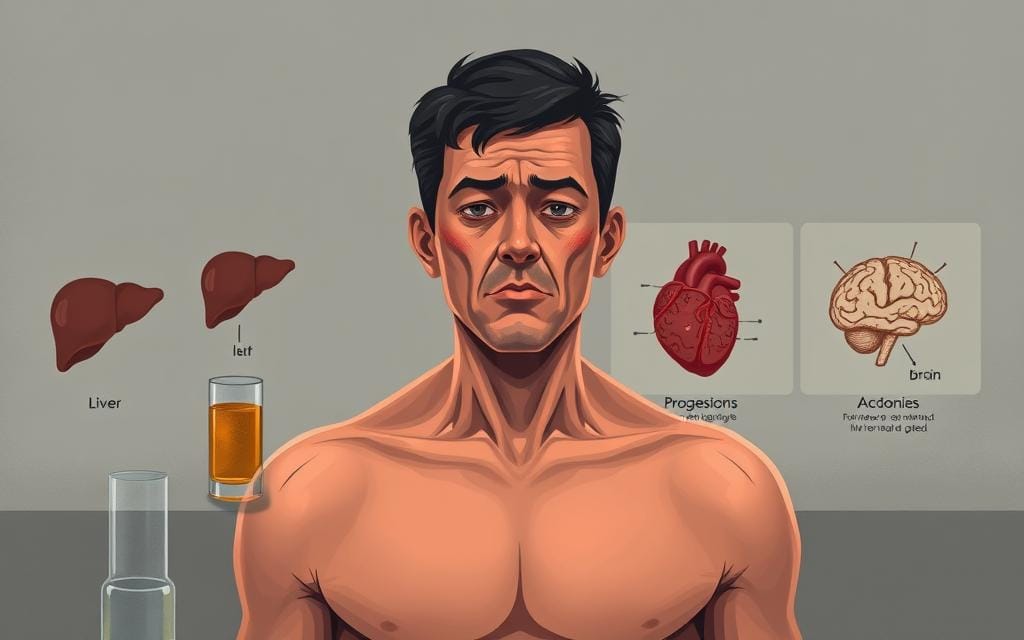
“The first step is to understand that quitting alcohol is not just about willpower; it’s about understanding the hold it has on your life.” — Unknown
Quitting alcohol is a journey that can transform your life in profound ways. Excessive alcohol consumption doesn’t just affect your health; it can also impact your relationships, mental well-being, and overall quality of life. The National Cancer Institute has highlighted that excessive alcohol use can lead to severe health issues, including liver damage and an increased risk of certain cancers. Additionally, it can impair brain function and mood regulation, leading to mental health challenges.
Alcohol use disorder is a serious condition that affects millions worldwide. It’s important to recognize the signs and seek help early. The good news is that with the right strategies and support, you can overcome alcohol use disorder and lead a healthier, alcohol-free life.
In this article, we will explore five evidence-based strategies to help you quit drinking alcohol for good. Whether you’re struggling with occasional binge drinking or a full-blown alcohol use disorder, these tips will provide you with the tools you need to take control of your life and make positive changes.
Key Takeaways
- Recognize the health risks associated with excessive alcohol consumption.
- Understand the impact of alcohol on mental health and relationships.
- Identify strategies to overcome alcohol use disorder.
- Learn how to lead a healthier, alcohol-free lifestyle.
- Discover evidence-based methods to quit drinking for good.
Introduction: Recognizing the Need to Quit Drinking Alcohol
Understanding the necessity of quitting alcohol is the first crucial step toward a healthier lifestyle. The impact of alcohol extends beyond personal health, affecting relationships, mental well-being, and overall quality of life.
Why Quitting Now is Essential
Alcohol consumption can lead to severe health issues, including liver damage and an increased risk of certain cancers, as highlighted by the National Cancer Institute. It can also impair brain function and mood regulation, leading to mental health challenges. Recognizing the signs of alcohol use disorder and seeking help early is vital.
The good news is that with the right strategies and support, you can overcome alcohol use disorder and lead a healthier, alcohol-free life. This section explores the importance of self-recognition and the immediate need for lifestyle changes to prevent acute injuries, mental and physical health issues, and even death.
The Rising Concerns Over Alcohol Use
Recent findings from the CDC and NCI underscore the immediacy of quitting due to alcohol’s disruptive effects on brain function and potential to cause high blood pressure, heart issues, and even certain cancers. Alcohol consumption is linked with a range of harmful conditions and diseases, making it essential to address this issue with compassion and urgency.
Understanding Drinking Alcohol and Its Health Impacts
Alcohol consumption affects both the brain and heart, even in the short term. When someone drinks, it can impair coordination and judgment, making everyday activities risky. For instance, driving under the influence becomes dangerous due to slowed reflexes. Additionally, alcohol can disrupt heart rhythms, leading to irregular beats, which can be problematic for those with pre-existing heart conditions.
Short-Term Effects on the Brain and Heart
Research shows that even moderate drinking can alter brain function. It impairs decision-making and increases the risk of accidents. The heart also suffers, as alcohol can cause blood pressure spikes and arrhythmias. These effects are immediate and can occur after just one drink.
Long-Term Risks: Liver Damage, Cancer, and More
Chronic heavy drinking leads to severe health issues. The liver is particularly vulnerable, with conditions like alcoholic hepatitis and cirrhosis being common. Alcohol use is also linked to various cancers, including breast and liver cancer. Furthermore, long-term alcohol consumption can lead to pancreatitis, a painful and potentially deadly condition.
Understanding these risks is crucial for making informed choices. The evidence clearly shows that reducing alcohol intake can significantly lower the risk of these health problems. Whether it’s cutting back or quitting entirely, the benefits to your health are undeniable.
Effective Strategies to Reduce Alcohol Use
Adopting a healthier lifestyle is crucial for minimizing alcohol consumption and its associated risks. By focusing on sustainable changes, individuals can significantly reduce their alcohol intake and improve overall well-being.
Lifestyle Changes to Support Your Journey
- Healthy Diet and Regular Exercise: A balanced diet and consistent physical activity can reduce alcohol cravings and improve mental health.
- Structured Routines: Maintaining a daily schedule helps avoid situations that may trigger alcohol use.
- Supportive Environment: Surrounding yourself with encouraging family and friends can make a substantial difference.
- Professional Counseling: Therapists can provide personalized strategies to manage cravings and stay on track.
| Lifestyle Change | Benefits |
|---|---|
| Improved Nutrition | Reduces cravings, enhances mood |
| Regular Exercise | Boosts endorphins, lowers stress |
| Structured Schedule | Minimizes triggers, adds routine |
| Supportive Social Circle | Encourages accountability, reduces isolation |
By integrating these strategies, individuals can systematically reduce their alcohol consumption, leading to a healthier lifestyle and lowered risk of associated diseases.
Evidence-Based Tips to Quit Drinking Alcohol for Good
Quitting alcohol is a life-changing decision that requires a combination of strategies and support. Research from the National Cancer Institute and CDC emphasizes that integrating professional counseling with behavioral therapy can significantly reduce alcohol consumption and manage alcohol use disorder effectively.
Professional Support and Counseling
Professional guidance plays a crucial role in overcoming alcohol use disorder. Counseling and medical treatments provide personalized strategies to manage cravings and stay committed to sobriety. Therapists can offer evidence-based techniques to help individuals understand their triggers and develop healthier coping mechanisms.
Incorporating Healthy Alternatives
Healthy alternatives such as exercise, mindfulness practices, and strong social support systems can greatly aid in reducing alcohol consumption. Engaging in regular physical activity boosts endorphins and lowers stress, while mindfulness helps in managing emotional triggers. Surrounding yourself with supportive friends and family can also encourage accountability and reduce feelings of isolation.
Combining therapeutic support with these healthy alternatives increases the likelihood of lasting sobriety. By addressing both the physical and emotional aspects of alcohol use disorder, individuals can achieve a healthier, alcohol-free lifestyle and significantly reduce the risk of related health issues.
Overcoming Challenges and Maintaining Sobriety
Maintaining sobriety is a journey that requires addressing both mental and social challenges. While relapse is common, focusing on mental health and identifying triggers can significantly aid in long-term sobriety.
Addressing Mental Health and Social Triggers
Mental health plays a crucial role in overcoming alcohol use disorder. Stress, anxiety, and depression can trigger cravings, making it essential to manage these conditions effectively. Techniques such as mindfulness and therapy can help individuals cope without resorting to alcohol. Additionally, social pressures often lead to relapse, so it’s important to recognize and avoid high-risk situations.
Building a Robust Support System
A strong support network is vital for sustained sobriety. Surrounding yourself with understanding family and friends can provide emotional backing and accountability. Professional groups and counseling also offer structured programs to help manage cravings and stay committed to your goals.
By integrating these strategies, individuals can overcome challenges and maintain a healthier lifestyle, reducing the risks associated with excessive alcohol consumption.
Conclusion
Reducing alcohol use is a powerful step toward improving your overall well-being. By cutting back or quitting entirely, you significantly lower your risk of serious health issues like liver disease and certain cancers. This positive change also benefits your mental health and relationships, fostering a more balanced life.
Embracing healthier alternatives and seeking support can make a big difference. Activities like exercise and mindfulness help manage triggers, while a strong support system keeps you accountable. Professional guidance can provide tailored strategies to stay on track.
Each day without excessive alcohol brings you closer to a healthier, safer lifestyle. Remember, overcoming challenges and maintaining sobriety is a journey worth taking for a brighter future.
FAQ
What are the immediate health risks of heavy alcohol consumption?
Heavy alcohol use can lead to serious short-term effects, including impaired judgment, increased risk of injury, and harm to vital organs like the liver and heart. Excessive consumption can also trigger mental health issues and weaken your immune system.
How does alcohol use disorder affect mental health?
Alcohol use disorder is closely linked to mental health challenges. It can exacerbate conditions like anxiety and depression, create mood swings, and even lead to suicidal thoughts. Seeking professional help is crucial to address these dual challenges effectively.
Can moderate alcohol use still pose health risks?
Yes, even moderate alcohol consumption can have risks. For women, it increases the chance of breast cancer, while for everyone, it can affect the liver and heart over time. It’s important to consult a healthcare provider to understand your personal risk factors.
What role does gender play in alcohol-related health issues?
Gender plays a significant role in how alcohol affects the body. Women generally experience higher risks of health complications, including liver disease and breast cancer, due to differences in metabolism and body composition compared to men.
How can someone identify if they have an alcohol use disorder?
Signs of an alcohol use disorder include strong cravings, inability to control consumption, and continuing to drink despite negative effects on health, relationships, or daily life. If these symptoms apply, it’s important to seek professional help.
What are effective strategies to reduce alcohol consumption?
Strategies include setting clear goals, avoiding triggers, and substituting alcohol with healthier alternatives like exercise or hobbies. Building a support network and considering counseling can also significantly aid in reducing consumption.
How does alcohol affect the body over time?
Long-term alcohol use can lead to irreversible damage, such as liver cirrhosis, heart disease, and various cancers. It can also impair cognitive function and weaken the immune system, making the body more susceptible to infections.
Can alcohol use during pregnancy harm the baby?
Yes, alcohol use during pregnancy can cause severe harm to the developing baby, including fetal alcohol spectrum disorders. It’s crucial for pregnant individuals to avoid alcohol entirely to ensure the baby’s health and safety.
How does alcohol impact mental health in the long term?
Chronic alcohol use can lead to long-term mental health issues, such as persistent depression, anxiety disorders, and cognitive decline. It can also increase the risk of developing dementia and other neurological conditions.
What are the benefits of quitting alcohol?
Quitting alcohol leads to improved physical health, enhanced mental clarity, and stronger relationships. It also reduces the risk of chronic diseases and can lead to a longer, healthier life. The benefits extend to overall well-being and quality of life.