“The greatest glory in living lies not in never falling, but in rising every time we fall.” — Nelson Mandela
For many, the journey to recovery is not just about overcoming addiction but also about building a strong foundation for long-term sobriety. Sober living homes offer a unique solution, providing a safe, structured, and supportive environment that bridges the gap between treatment and independent living. These homes are more than just a place to stay—they are communities that foster growth, accountability, and a sense of belonging.
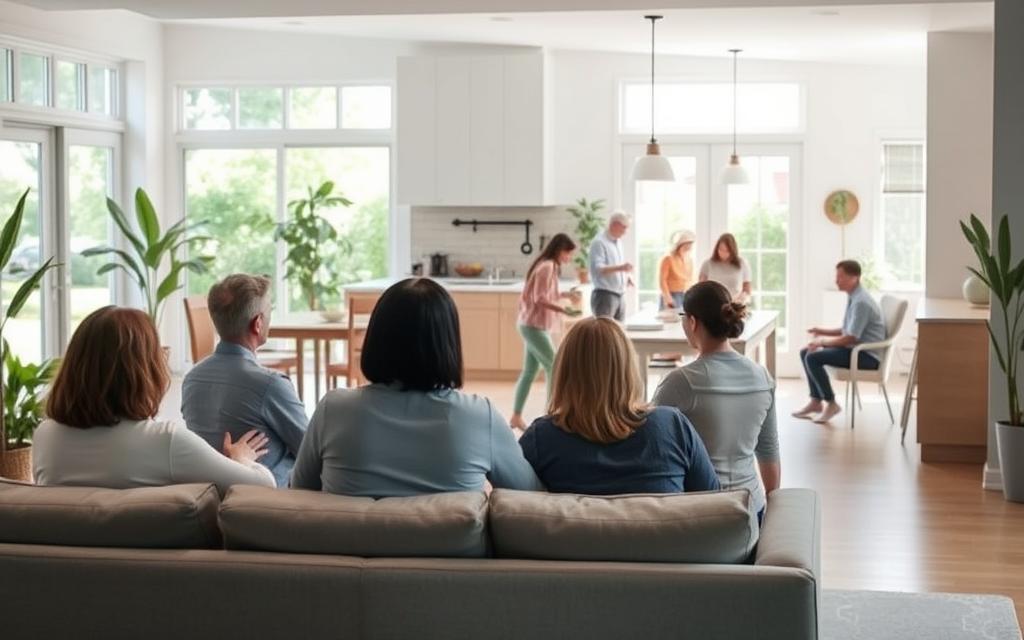
Imagine living in a drug- and alcohol-free space where every day is an opportunity to rebuild your life. Sober living homes are designed to help residents transition smoothly from rehabilitation programs to the real world. With a focus on peer support and shared responsibilities, these homes create an environment where individuals can heal, learn, and thrive together.
In this article, we’ll explore the transformative benefits of sober living homes, from their role in promoting sobriety to their impact on personal growth and independence. Whether you’re considering this option for yourself or a loved one, understanding the advantages of these communities can be a crucial step in the recovery journey.
Key Takeaways
- Sober living homes provide a safe and structured environment for recovery.
- They facilitate a smooth transition from treatment to independent living.
- Residents benefit from peer support and shared responsibilities.
- These homes focus on promoting long-term sobriety and personal growth.
- They offer a sense of community and accountability essential for recovery.
Introduction to Sober Living Homes
A sober living home is a residential facility designed to support individuals in recovery from addiction. These homes provide a safe, structured environment that helps residents transition from rehabilitation programs to independent living. Unlike traditional housing, sober living homes emphasize community support and accountability, creating a space where individuals can rebuild their lives.
Defining Sober Living and Its Purpose
Sober living homes are not treatment centers but rather a bridge between rehab and the real world. They offer a substance-free environment where residents can focus on their recovery journey. The primary goal is to help individuals develop the skills and confidence needed for long-term sobriety and independence.
The Transition from Rehab to Independent Living
After completing a rehab program, many individuals struggle with the challenges of daily life. Sober living homes provide a supportive community that eases this transition. By sharing responsibilities and participating in group meetings, residents learn essential life skills and gain emotional support from peers who understand their struggles.
| Feature | Sober Living Home | Other Options |
|---|---|---|
| Environment | Structured and substance-free | May lack structure and support |
| Support System | Peer and community support | Often limited support |
| Cost | Generally affordable | Can be expensive |
| Focus | Long-term recovery and life skills | Short-term solutions |
These homes play a crucial role in reducing external triggers and helping residents rebuild their lives. By providing a supportive community and a structured environment, sober living homes set the foundation for a successful recovery journey.
The Role and Importance of Sober Living Homes in Recovery
Recovery is a journey that requires more than just treatment; it demands a supportive environment to thrive. Sober living homes play a vital role in this process by offering a structured and nurturing space for individuals to rebuild their lives.
Bridging the Gap Between Treatment and Daily Life
After completing a rehab program, many individuals face challenges in adapting to daily life. Sober living homes act as a bridge, providing a safe transition from clinical treatment to independent living. These homes emphasize peer support and shared responsibilities, helping residents develop essential life skills and emotional resilience.
Creating a Supportive, Drug- and Alcohol-Free Environment
A stable, substance-free environment is crucial for recovery. Sober living homes foster a community where individuals can focus on their sobriety without external triggers. Structured daily routines and group meetings enhance accountability and provide a sense of belonging, which are essential for long-term recovery.
| Feature | Sober Living Homes | Other Recovery Options |
|---|---|---|
| Environment | Structured and substance-free | May lack structure and support |
| Support System | Peer and community support | Limited support available |
| Focus | Long-term recovery and life skills | Short-term solutions |
Studies show that residents in sober living environments experience significant improvements in drug and alcohol abstinence, mental health, and community reintegration. These homes are not just a place to live; they are a foundation for a successful recovery journey.
Core Benefits of Sober Living Homes
Sober living homes offer a transformative environment that fosters recovery and personal growth. These homes provide a structured, supportive space where individuals can build a strong foundation for long-term success.
Achieving Long-Term Sobriety
Studies show that residents in sober living environments experience significant improvements in drug and alcohol abstinence, mental health, and community reintegration. These homes are not just a place to live; they are a foundation for a successful recovery journey.
Developing Life Skills and Independence
Residents develop daily living skills and gain independence through routine tasks. Shared responsibilities and group meetings help individuals learn essential life skills and emotional resilience.
Enhancing Mental Health and Community Engagement
A stable, substance-free environment fosters a community where individuals can focus on their recovery journey. Structured daily routines and group meetings enhance accountability and provide a sense of belonging, which are essential for long-term recovery.
| Feature | Sober Living Homes | Other Options |
|---|---|---|
| Environment | Structured and substance-free | May lack structure and support |
| Support System | Peer and community support | Limited support available |
| Focus | Long-term recovery and life skills | Short-term solutions |
These homes play a crucial role in reducing external triggers and helping residents rebuild their lives. By providing a supportive community and a structured environment, sober living homes set the foundation for a successful recovery journey.
Exploring Sober Living Homes: Structure, Services, and Regulations
Understanding the structure and services of sober living homes is essential for appreciating their role in recovery. These homes operate with clear house rules and daily routines designed to promote a stable environment for residents.
Understanding House Rules and Daily Routines
Residents in sober living homes adhere to specific rules, such as rent payments, chores, and curfews. These rules foster accountability and responsibility, which are crucial for long-term recovery. Daily routines often include group meetings and shared tasks, creating a sense of community and mutual support.
Therapy Options and Peer Support Systems
Therapy options vary and may include group counseling, individual sessions, and family therapy. Peer support systems are fundamental, as they provide emotional backing and practical advice from individuals with similar experiences.
Regulatory Standards
In Texas, sober living homes must meet specific regulatory standards to ensure quality and safety. These standards cover health, safety, and operational practices, providing residents with a reliable and supportive living environment.
- Structured environment with clear house rules
- Daily routines that include chores and group activities
- Access to various therapy options
- Peer support systems for sustained recovery
- Adherence to Texas regulatory standards
Sober Living Homes in the United States
Sober living homes play a vital role in the recovery landscape across the U.S., offering structured environments that support long-term sobriety. These homes are designed to provide a safe space for individuals to transition from treatment to independent living, fostering a sense of community and accountability.
Legal Standards and Compliance Guidelines
In the U.S., sober living homes must comply with federal and state regulations to ensure safe and supportive environments. Key legal frameworks include the Fair Housing Act and the Americans with Disabilities Act (ADA), which protect residents from discrimination. Additionally, many states, including Texas, have specific guidelines that outline operational standards for these facilities.
Differentiating Between Sober Living Homes and Halfway Houses
While often confused, sober living homes and halfway houses serve different purposes. Sober living homes are primarily for individuals recovering from addiction, focusing on peer support and life skills. Halfway houses, in contrast, often serve individuals transitioning from incarceration or those with severe mental health challenges. Funding structures also differ: sober living homes are typically resident-funded, whereas halfway houses may rely on state funding.
| Feature | Sober Living Homes | Halfway Houses |
|---|---|---|
| Target Population | Individuals in recovery from addiction | Ex-offenders, those with mental health issues |
| Funding | Resident-funded | State or federally funded |
| Focus | Peer support, life skills, sobriety | Reintegration into society, mental health support |
These legal standards and distinctions ensure that sober living homes provide a structured, supportive environment for individuals seeking to rebuild their lives after addiction.
Real-Life Experiences and Success Stories
For many individuals, the journey through recovery is deeply personal and transformative. Sober living homes have been a cornerstone of support for countless residents, offering a structured environment that fosters growth and accountability.
Resident testimonials highlight the profound impact of these communities. One resident shared, “Living in a sober environment gave me the stability I needed to rebuild my life. The support from peers and the daily routines helped me stay focused on my recovery journey.”
The sense of community and accountability is a recurring theme in these success stories. Shared responsibilities and group meetings create a bond among residents, providing emotional support and practical advice. This collective effort often leads to significant life changes, such as improved mental well-being and reduced relapse rates.
Structured environments play a crucial role in these transformations. Many residents credit the routine and support system for helping them develop essential life skills and emotional resilience. These homes empower individuals to take control of their lives, creating a foundation for long-term recovery and personal growth.
Conclusion
Embracing a supportive community can be a powerful step toward lasting recovery. Sober living homes offer a structured environment that helps individuals transition smoothly from treatment to independent living. By fostering accountability and shared responsibilities, these homes empower residents to build a strong foundation for long-term sobriety.
The benefits of choosing a sober living home are profound. Residents gain essential life skills, emotional resilience, and a sense of belonging. These homes provide a safe space for individuals to focus on their recovery journey, free from external triggers and surrounded by peers who understand their challenges.
For those considering this option, remember that recovery is not just about overcoming addiction—it’s about rebuilding your life. Sober living homes are more than just a place to stay; they are communities that offer support, guidance, and the tools needed for sustained success. If you or a loved one is seeking a structured and nurturing environment, a sober living home could be the right choice.
FAQ
What is a sober living home?
A sober living home is a supportive environment where individuals in recovery from drug or alcohol addiction can live while transitioning to independent living. These homes provide a safe, drug- and alcohol-free space where residents can build life skills and a strong community connection.
How does sober living differ from rehab?
Sober living homes serve as a bridge between rehabilitation programs and independent living. While rehab focuses on intensive treatment, sober living offers a more independent setting where residents can practice daily life skills and maintain sobriety in a supportive community.
What are the rules of a sober living home?
Rules vary by facility but often include curfews, mandatory meeting attendance, random drug testing, and accountability measures. These rules are in place to ensure a safe and structured environment for all residents.
How long can someone stay in a sober living home?
The length of stay depends on the individual’s needs and progress. Some residents stay for a few months, while others may stay longer to build a stronger foundation for long-term recovery. The goal is to transition to fully independent living when ready.
What services are typically offered?
Services may include group therapy sessions, peer support, life skill development, and access to treatment programs. Some homes also offer career and educational support to help residents reintegrate into daily life.
How much does it cost to live in a sober living home?
Costs vary depending on the facility, location, and amenities. Some homes are low-cost or sliding-scale, while others may offer private rooms at a higher rate. Insurance coverage is less common, but some facilities may accept it.
Can family members visit?
Yes, family visits are often encouraged as part of the healing process. Many homes have designated visiting hours and may require approval from staff to ensure the visit supports the resident’s recovery journey.
What are the benefits of sober living?
Benefits include a supportive community, accountability, and the opportunity to develop life skills in a structured environment. Sober living homes also reduce the risk of relapse by providing a safe space to navigate triggers and challenges.
How do I choose the right sober living home?
Consider factors like location, cost, services offered, and the home’s rules and structure. It’s also important to ensure the facility aligns with your personal recovery goals and provides the level of support you need.
What is the success rate of sober living homes?
Success rates vary, but studies show that residents who stay in sober living homes for longer periods tend to have higher rates of long-term sobriety. The supportive environment and accountability measures play a significant role in recovery outcomes.