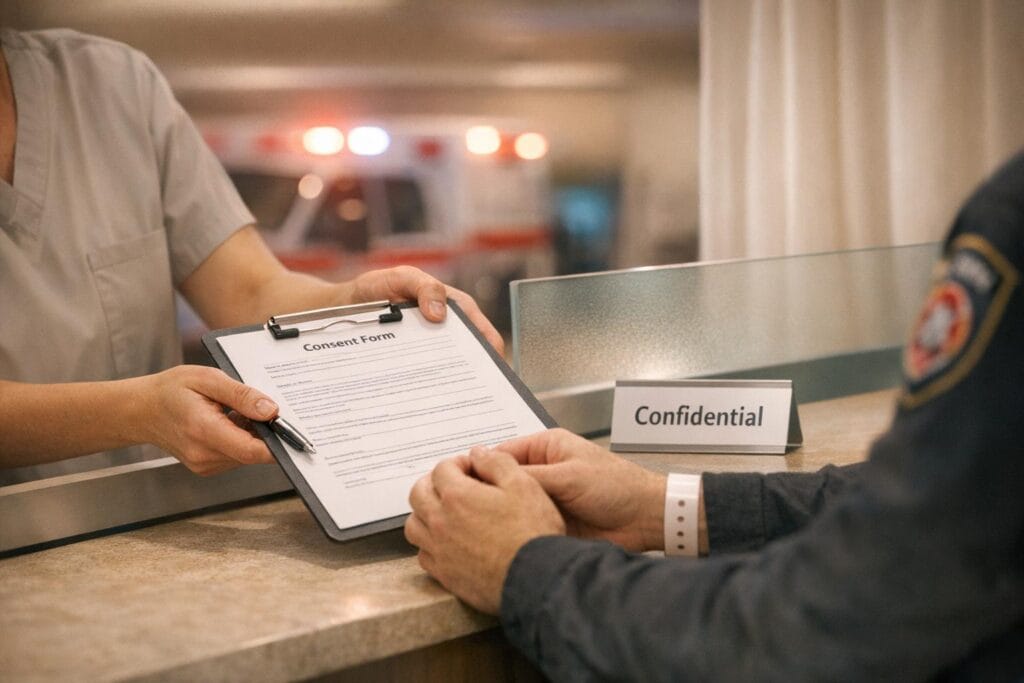
De-escalation is a critical skill in addiction recovery, helping manage crises, rebuild trust, and ensure safety. Whether you’re a family member, healthcare provider, or recovery professional, knowing how to calm tense situations can prevent setbacks and support long-term recovery goals.
Here’s a quick breakdown of the key points covered in this guide:
- What is De-Escalation? A method to diffuse emotional or volatile situations by validating feelings and creating a safe space.
- Why It’s Important: Timely intervention can improve recovery outcomes by 30%, rebuild trust, and prevent crises from escalating.
- Common Scenarios: Includes withdrawal symptoms, aggression, suicidal thoughts, or psychotic episodes.
- Core Principles: Empathy, active listening, trauma-informed communication, and emotional control are essential for success.
- Techniques: Use verbal and non-verbal cues, adjust the environment to reduce stress, and apply harm reduction methods to ensure safety.
- Integration with Recovery: De-escalation complements therapies like CBT and family counseling, bridging crisis management with long-term treatment plans.
Verbal Crisis De-Escalation with Dr. Dawn-Elise Snipes
Basic Principles of De-Escalation
Effective de-escalation in addiction recovery relies on three key principles that help transform volatile situations into opportunities for healing and understanding.
By grasping these principles, families, healthcare providers, and recovery professionals can approach crises with purpose and skill. Each principle complements the others, creating a well-rounded strategy that addresses immediate conflicts while also meeting the emotional needs of those in recovery. Now, let’s dive into how these principles translate into real-world de-escalation techniques.
Empathy and Active Listening
Empathy and active listening are at the heart of de-escalation. These skills help individuals feel truly heard and understood, which can ease their frustration and foster trust during tense moments.
"Empathic listening goes beyond simply hearing words. It’s an active process where you immerse yourself in the speaker’s world, grasping the undertones of their emotions and the context behind their words without casting judgment."
Empathy involves three main elements that shape meaningful connections during a crisis. Presence means giving your full attention to the speaker, free from distractions, to show they are valued. Validation acknowledges their feelings and perspectives, even if their actions are troubling. Genuine curiosity encourages open and sincere interest in understanding their experiences.
Active listening builds on "the three Rs: Repeat, Reflect, Respond". Repeating what someone says shows you’re paying attention, reflecting keeps the conversation flowing, and responding highlights your interest in their concerns.
"Active listening is essential for de-escalating tense situations by making individuals feel heard, reducing frustration, and building trust – all crucial steps in defusing conflict."
When individuals in recovery feel genuinely heard, their defensive barriers often soften, paving the way for open and productive discussions about their struggles and needs. This empathetic approach helps sustain the safe and supportive environment necessary for recovery.
Non-Judgmental and Trauma-Informed Communication
Non-judgmental and trauma-informed communication acknowledges that difficult behaviors often stem from past trauma and present pain, rather than personal flaws. This perspective shifts how we approach and respond to crises in addiction recovery.
The numbers tell a powerful story: 61% of people report experiencing at least one adverse childhood experience (ACE) before age 18, and 1 in 6 people report four or more ACEs. Such experiences deeply shape how individuals handle stress and perceive safety in relationships.
This approach reframes the question from "What’s wrong with you?" to "What happened to you?". By removing blame, it opens the door to understanding the root causes of distressing behavior.
"The horrible truth is that once students get to middle school and high school, and of course as adults, we get really good at hiding what is going on under the surface. We hide our day-to-day anxieties, and we keep our past trauma hidden." – Dr. Kevin Mabie, Ed.D., Global Professional Instructor at Crisis Prevention Institute
Dr. Mabie highlights how this shift in perspective changes how we address challenging behaviors: "That mindset allows me to approach challenging behaviors a whole lot differently than if I decide to just deal with it at face value".
Practical trauma-informed strategies include maintaining calm and neutral body language, which avoids triggering further escalation. Being mindful of personal space and steering clear of provocative actions can also help ensure safety.
Validating feelings and experiences is another critical component. While this doesn’t mean condoning harmful actions, it does involve recognizing the emotions and fears driving those actions. This compassionate approach creates a foundation for meaningful engagement in the recovery process.
Self-Awareness and Emotional Control
While trauma-informed communication sets the tone, self-awareness and emotional control ensure that those providing help can respond effectively without letting their own emotions escalate the situation. Without these skills, even well-meaning individuals can unintentionally make matters worse.
"The key to managing emotions is self-awareness, being able to share stressful emotions with colleagues and engaging in reflective practice or debriefing following stressful events."
Understanding your own stress signals is crucial for maintaining composure during crises. Research shows that dominant or aggressive reactions from staff often escalate situations, underscoring the importance of self-awareness.
Recognizing personal triggers is a vital first step. Everyone has certain words, situations, or behaviors that provoke strong emotional responses. By identifying these triggers, you can better prepare to handle high-stress moments calmly.
Self-awareness involves understanding your own emotions, motivations, and reactions. This knowledge helps you pause and regulate your feelings when they threaten to interfere with effective de-escalation.
"To be self-aware is to be aware of your feelings, motivations, behaviours, thoughts and sensations."
The "Pause and Plan" method is a practical tool for emotional control. It encourages taking a moment to assess the situation and plan a thoughtful response, rather than reacting impulsively.
Monitoring self-talk is another helpful strategy. Asking yourself questions like "What am I telling myself?" and "Is it accurate?" can prevent negative thoughts from escalating your emotions.
Mental health professionals can also benefit from creating a personal anger scale to track their stress levels. Recognizing early signs of emotional arousal allows for intervention before emotions spiral out of control.
Developing emotional intelligence through self-regulation is especially important when working with individuals whose addiction may have damaged trust or led to manipulative or aggressive behaviors. Regular debriefing and reflective practice with colleagues provide opportunities to process emotions and learn from challenging experiences. This ongoing effort helps maintain emotional stability, ensuring that helpers remain effective and supportive resources for those in crisis.
Practical De-Escalation Techniques for Addiction Crises
When facing addiction crises, building on empathy, active listening, and emotional control can make a significant difference. The techniques below offer actionable steps to help de-escalate tense situations, creating opportunities for healing and calm.
Verbal and Non-Verbal Communication Methods
In crisis situations, communication isn’t just about words – it’s also about tone and body language. Studies suggest that up to 90% of emotional content is conveyed non-verbally. This makes both verbal and non-verbal cues essential tools in de-escalation.
Active listening is a cornerstone of effective verbal communication. It shows understanding and validates emotions. Here are three key techniques:
| Technique | Description | Example |
|---|---|---|
| Paraphrasing | Restating the person’s message in your own words | "It sounds like you’re feeling isolated and alone." |
| Summarizing | Highlighting the main concerns they’ve expressed | "You’re overwhelmed and unsure where to turn." |
| Reflection | Recognizing the emotions behind their words | "I can tell this situation is causing you a lot of frustration." |
When people feel genuinely heard, their defenses often soften, paving the way for more constructive conversations.
Non-verbal cues are just as important. Maintain a respectful distance of 5 to 6 feet to honor personal space. Keep your arms uncrossed, hands visible, and movements deliberate to project calmness. A gentle gaze can show attentiveness without coming across as intimidating. These small adjustments in posture and demeanor can create an atmosphere of safety and trust.
If emotions escalate, setting boundaries can help. For instance, suggesting that each person takes turns speaking can restore order. Offering choices – like deciding whether to continue the conversation in the current setting or move to a quieter space – gives the individual a sense of control without feeling pressured.
The combination of verbal and non-verbal communication, along with thoughtful boundary-setting, is key to defusing tension effectively.
Changing the Environment
The physical setting of a crisis can either heighten stress or encourage calm. Making thoughtful changes to the environment can play a crucial role in de-escalation.
Start by prioritizing safety. Remove items that could pose a risk, such as sharp objects or unsecured medications. Minimizing distractions, like turning off a television or silencing background noise, helps create a quieter, more focused space. If the crisis occurs in a public area, consider relocating to a calmer spot where the person can feel less exposed and more at ease.
These small but meaningful adjustments create a foundation for reducing harm and fostering a sense of stability during challenging moments.
Using Harm Reduction Approaches
Harm reduction is a practical method for addressing addiction crises. Instead of demanding immediate abstinence, this approach focuses on minimizing immediate risks while encouraging positive, incremental change.
One life-saving example is overdose prevention through naloxone training. Providing information about safer drug use – like avoiding mixing substances or not using alone – can also reduce immediate dangers. In some cases, distributing sterile syringes, fentanyl test strips, or safer smoking kits (where legally allowed) can lower health risks and show individuals that their well-being matters.
Harm reduction extends beyond physical safety. Connecting people to services like HIV and hepatitis testing, treatment, and care reinforces the message that support is available. The Substance Abuse and Mental Health Services Administration (SAMHSA) describes harm reduction as "a practical and transformative approach" that empowers individuals to make healthier choices and live more fulfilling lives.
Breaking down barriers to accessing resources is another critical aspect. Helping someone navigate insurance, arranging transportation to appointments, or explaining available services can make a daunting process feel manageable. Employing staff with lived experience can also build trust and create authentic connections, making individuals feel seen and understood.
sbb-itb-17645e5
De-Escalation as Part of Complete Recovery Planning
Incorporating de-escalation into a broader recovery plan ensures these techniques are not just a temporary fix but part of a lasting solution. While de-escalation is effective for calming immediate crises, its real power lies in being combined with long-term treatment and support strategies. This approach transforms short-term relief into sustained healing.
De-escalation also plays a vital role in shaping behavioral therapies, bridging the gap between immediate crisis management and ongoing recovery efforts.
Crisis Help and Long-Term Recovery
Effective crisis intervention lays the groundwork for long-term recovery. Studies reveal that individuals who receive timely crisis support are 30% more likely to engage in extended treatment programs. By providing stability, crisis intervention creates the conditions necessary for meaningful therapeutic work.
The SAFER-R model highlights how crisis intervention naturally connects to recovery planning. This structured approach includes steps like stabilization, acknowledgment, facilitating understanding, encouragement, recovery, and referral. The final step, referral, ties de-escalation methods to broader treatment options such as residential care, outpatient therapy, and ongoing support services.
"Crisis intervention plays a significant role to appropriately address crisis scenarios and triaging serious events that need more urgent care besides diffusing situations and providing resources to individuals in need." – David Wang, Vikas Gupta
While crisis techniques focus on immediate safety and stabilization, long-term therapies address root causes and help individuals develop lasting coping mechanisms. Experiences during crises can also serve as opportunities for individuals to learn and apply constructive coping skills that benefit them throughout their recovery journey.
Behavioral Therapies and Support Systems
De-escalation techniques complement and enhance established therapeutic methods, including Cognitive Behavioral Therapy (CBT) and group-based interventions. For example, CBT helps individuals identify and manage escalating thoughts by teaching mindfulness, empowering them to prevent crises before they occur.
Family therapy becomes significantly more impactful when family members are equipped with de-escalation skills. Learning to communicate calmly and without judgment can transform family dynamics, creating a supportive home environment that fosters recovery. Similarly, group therapy sessions provide a safe space for practicing these skills, building both confidence and a sense of community.
| Therapy Type | How De-Escalation Integrates | Recovery Benefits |
|---|---|---|
| Cognitive Behavioral Therapy | Helps identify and manage escalating thoughts | Prevents crises and promotes self-awareness |
| Family Therapy | Improves communication and reduces conflict | Builds a supportive home environment |
| Group Therapy | Offers a space to practice de-escalation skills | Strengthens confidence and peer connections |
A strong support network is equally critical in reinforcing de-escalation strategies. Research underscores the importance of having a reliable support system, showing that it can significantly improve an individual’s ability to overcome addiction and maintain long-term sobriety. When family and friends understand de-escalation principles, they become valuable allies in the recovery process.
These therapeutic approaches are further bolstered by educational resources that provide guidance for recovery planning.
Resources from Sober Living Centers
Sober Living Centers offers educational tools that help individuals and families better understand how de-escalation fits into a complete recovery framework. Their resources cover addiction recovery processes, treatment options, and strategies for finding the right rehab centers – essential elements for a well-rounded recovery plan.
The platform plays a crucial role in connecting crisis management with structured treatment. For families navigating addiction recovery, these resources provide clear guidance on prevention strategies, treatment options, and when to apply de-escalation techniques versus seeking professional intervention.
By focusing on rehab center recommendations, Sober Living Centers bridges the gap between recognizing the need for help and accessing appropriate services. This is especially vital given that only 1 in 10 people aged 12 and over with a substance use disorder receive treatment at a specialized facility. Accessible educational resources are key to ensuring more people make this transition successfully.
The Crisis Prevention Institute (CPI) emphasizes that de-escalation training is more than a set of techniques – it’s a compassionate philosophy. This aligns with the broader goals of recovery planning, which prioritize both immediate crisis management and sustained therapeutic support.
"CPI training is not so much a series of steps as it is a philosophy for viewing humanity as full of potential. These de-escalation tips from CPI are about support, not suppression, and about seeing each other with the humanity and compassion that each of us wants to be seen with." – Crisis Prevention Institute (CPI)
Advanced Methods and Special Cases
When standard de-escalation techniques aren’t enough, specialized methods become essential. These advanced strategies are designed for situations where addiction overlaps with mental health disorders, recurring crises, or high-risk scenarios that demand immediate attention.
Handling Difficult Cases
Co-occurring mental health conditions can make de-escalation particularly challenging. With 9.2 million adults in the U.S. experiencing both mental health and substance use disorders, this issue is far from rare and requires a careful, tailored approach.
Dual diagnoses often amplify emotional instability, rendering traditional methods less effective. Quick evaluation is critical to determine whether agitation stems from withdrawal symptoms or a mental health episode. For instance, someone managing both alcohol withdrawal and bipolar disorder might need completely different interventions based on whether the agitation is physical or psychological. These advanced methods build on foundational techniques to provide consistent support from crisis intervention to long-term recovery.
One helpful tool in these situations is affect labeling, which involves naming the emotions you observe. For example, saying, "I can see you’re feeling overwhelmed and frustrated", can help shift the individual’s focus. This approach works by calming the brain’s emotional centers and re-engaging the prefrontal cortex.
Another effective strategy is thought stopping, a technique from cognitive behavioral therapy. It interrupts cycles of escalating thoughts that often fuel both cravings and mental health symptoms. Guiding someone through grounding exercises – like focusing on their immediate sensory experiences – can help break negative thought patterns.
For individuals facing repeated crises, the focus shifts to identifying triggers and reinforcing coping strategies. This might mean adjusting medications, creating a more supportive environment, or strengthening the individual’s network of support.
Legal, Ethical, and Safety Issues
Safety takes priority in situations involving potential violence or self-harm. While de-escalation is the preferred first-line response, there are times when emergency interventions become necessary.
The Safewards Model provides a structured way to manage dangerous situations. This might involve moving the individual or others to a safer space, maintaining a safe distance, and de-escalating the crisis while preserving trust.
Environmental adjustments can also help. Minimizing harsh lighting, reducing noise, and avoiding loud conversations are simple yet effective ways to create a calmer setting. Non-verbal techniques, like maintaining a respectful and supportive demeanor, are equally important.
Ethical considerations are critical, especially when working with individuals whose decision-making may be impaired. State and federal laws regarding confidentiality, consent, and mandatory reporting must guide all actions. It’s also vital to avoid making threats or setting boundaries that can’t be enforced, as this can erode trust and escalate tensions.
Restraint and seclusion are measures of last resort, used only when other strategies fail and there’s an immediate risk of harm. Such decisions must be made by trained professionals who understand both the legal and therapeutic implications.
To ensure consistency and safety, organizations should provide comprehensive training for all staff, including security personnel, in de-escalation, self-defense, and emergency protocols. This training not only reduces the risk of escalation but also aligns with the compassionate approach to crisis management discussed earlier.
Comparing De-Escalation Methods
Different situations require different techniques, and knowing when to use each can make all the difference. The choice of method depends on the individual’s condition, the severity of the crisis, and the resources available.
| Method Type | Best Used When | Key Advantages | Potential Limitations |
|---|---|---|---|
| Verbal Techniques | Individual is responsive and not in severe psychosis | Builds trust and connection; addresses emotions | Less effective during acute intoxication |
| Non-Verbal Techniques | Person is highly agitated or has communication barriers | Calms through presence; works across language gaps | May not address specific concerns |
| Harm Reduction | Individual is actively using substances or early in recovery | Reduces immediate risks; fosters engagement | May conflict with abstinence-based approaches |
| Abstinence-Focused | Person is committed to sobriety and in recovery | Reinforces recovery goals | May increase resistance if relapse occurs |
Leverage-based approaches can also be powerful but must be used ethically. Offering something the individual values can encourage cooperation, but it should always come from a place of compassion, not manipulation.
Often, the best results come from combining methods. For example, starting with non-verbal techniques to create a sense of safety, transitioning to verbal de-escalation to address emotions, and incorporating harm reduction principles to develop a practical plan. Across all methods, active listening remains essential. It helps professionals fully understand the situation, show empathy, build trust, and encourage open communication.
The importance of these techniques is backed by data. Training programs have been shown to reduce aggressive incidents by 73% and severe events by 86%. These statistics highlight the critical role of proper de-escalation training in preparing teams to handle crises effectively.
Key Points on De-Escalation in Addiction Recovery
De-escalation plays a critical role in managing potential violence and aggression in addiction recovery settings. It acts as both an immediate crisis intervention tool and a stepping stone toward long-term healing, addressing urgent safety concerns while fostering trust – an essential element for sustained recovery.
At the heart of effective de-escalation is trauma-informed care, which shifts the perspective from asking, "What’s wrong with you?" to "What happened to you?". This approach prioritizes compassion and understanding, recognizing how past trauma often contributes to addiction struggles.
Clear and calm communication is another cornerstone. Speaking gently, using the individual’s name, and validating their emotions can de-escalate tense situations. Reflective listening – repeating their concerns and asking open-ended questions – helps them feel heard and supported during vulnerable moments.
Creating a calming environment is also essential. Simple adjustments to the surroundings can significantly help individuals regain emotional control.
Importantly, physical restraints should be avoided whenever possible, as they are linked to 40% of restraint-related fatalities. Instead, effective de-escalation techniques can help individuals build a sense of hope, security, and self-acceptance. Over time, these strategies empower them to manage their emotions and take an active role in their recovery.
When combined with behavioral therapies and strong support systems, de-escalation becomes part of a comprehensive safety net that addresses both immediate crises and deeper emotional needs.
For families, caregivers, and treatment professionals, understanding and applying these strategies is crucial. Whether dealing with withdrawal symptoms, emotional outbursts, or relapse scenarios, de-escalation provides a practical framework for ensuring safety while maintaining dignity and trust.
With nearly 49 million Americans facing substance use disorders, these skills are more important than ever. De-escalation isn’t just about managing crises – it’s about creating a foundation where recovery can thrive. Resources from Sober Living Centers offer valuable tools to help individuals and families integrate these techniques into their recovery journey. These principles highlight the importance of a compassionate and comprehensive approach to de-escalation in addiction recovery.
FAQs
What are some effective de-escalation techniques family members can use to support a loved one in addiction recovery?
Family members have an important part to play in helping a loved one through addiction recovery, and it starts with calm and empathetic communication. Using a gentle tone, maintaining relaxed body language, and giving space when emotions flare can help keep conversations from escalating into conflict.
Recognizing early signs of distress is another key step. Approach these moments without judgment and use open-ended questions to foster honest dialogue. However, it’s crucial to keep expectations realistic to avoid adding unnecessary pressure. By staying patient, showing compassion, and focusing on creating a safe and supportive atmosphere, you can provide meaningful support as your loved one works through their recovery.
How can I create a calming environment during a crisis in addiction recovery?
Creating a peaceful space during tough times can make a big difference in managing stress and encouraging recovery. Begin by arranging a quiet area with comforting touches like soft, warm lighting, cozy seating, and natural accents such as greenery or flowers. Adding calming activities, such as yoga, deep breathing, or gentle stretches, can help ease tension and bring a sense of relief. Keeping the surroundings steady and predictable also fosters a sense of safety and reassurance, which is crucial when dealing with difficult situations.
How can combining de-escalation techniques with therapies like CBT improve addiction recovery?
Combining de-escalation techniques with therapies like Cognitive Behavioral Therapy (CBT) plays a powerful role in addiction recovery by tackling both immediate crises and long-term struggles. De-escalation equips individuals with strategies to handle high-stress or crisis moments, helping to calm intense emotions and reduce the risk of relapse. On the other hand, CBT works on reshaping harmful thought patterns and behaviors that often fuel addiction.
When used together, these methods create a well-rounded recovery approach. De-escalation addresses urgent emotional challenges, while CBT builds the foundation for healthier, more resilient habits over time. This combination offers a steadier and more reliable path toward recovery.