Did you know that alcohol can be detected in urine long after it’s been consumed? In fact, advanced urine tests can detect alcohol metabolites for up to 80 hours, which is more than three days. This surprising fact highlights the importance of understanding how alcohol is processed and detected in the body.
Alcohol consumption leaves behind metabolites that standard urine tests can detect for up to 12 hours, while advanced tests extend this window significantly. This guide will explore the intricacies of alcohol detection in urine, covering metabolism, testing methods, and factors influencing detection times.
Urine tests are commonly used to determine recent alcohol use. They detect either ethanol, the alcohol itself, or its metabolites, which remain in the system longer. Understanding the differences between these tests is crucial for interpreting results accurately.
The detection timeline varies based on factors like metabolism, drinking amount, and individual health. This guide will delve into these aspects, providing a comprehensive overview to help you grasp the science behind alcohol urine testing.
Key Takeaways
- Advanced urine tests can detect alcohol metabolites for up to 80 hours.
- Standard tests typically detect alcohol for up to 12 hours.
- Alcohol metabolites remain in the system longer than ethanol.
- Detection times vary based on metabolism, drinking amount, and health.
- Understanding test types and their purposes is crucial for accurate results.
Understanding Alcohol Metabolism and Urine Testing
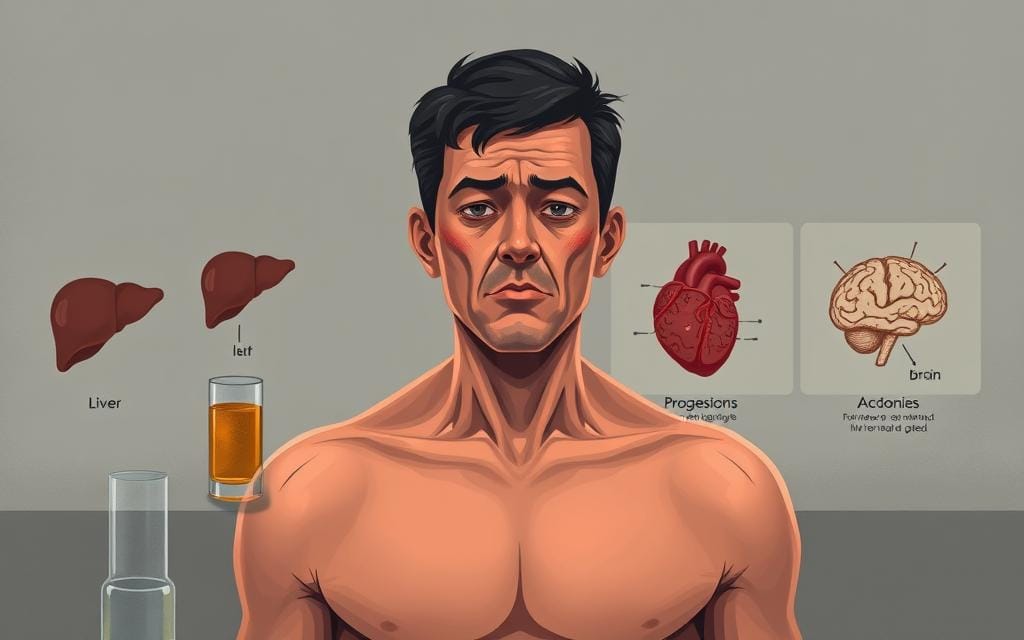
Alcohol metabolism begins in the liver, where enzymes break down the alcohol into less harmful substances. This process is crucial for understanding how alcohol is detected in urine tests.
Basics of Alcohol Metabolism
The liver uses enzymes like alcohol dehydrogenase (ADH) and aldehyde dehydrogenase (ALDH) to convert alcohol into acetaldehyde and then into acetate. These enzymes play a key role in how quickly alcohol is processed.
Genetic factors can influence enzyme efficiency, affecting how the body metabolizes alcohol. This variability explains differences in detection times among individuals.
The Role of the Liver and Key Enzymes
Metabolites like ethyl glucuronide (EtG) and ethyl sulfate (EtS) are produced during alcohol breakdown. These are crucial for urine tests, as they remain detectable longer than alcohol itself.
Factors such as age and body composition also impact metabolism. Younger individuals and those with lower body fat may metabolize alcohol faster.
| Metabolite | Detection Window | Importance |
|---|---|---|
| Ethanol | Up to 12 hours | Direct alcohol detection |
| Ethyl Glucuronide (EtG) | Up to 80 hours | Long-term detection |
| Ethyl Sulfate (EtS) | Up to 80 hours | Supports EtG detection |
This process bridges metabolism with testing methods, showing how alcohol use is measured in the body.
Alcohol Urine Testing: Methods and Types
Alcohol detection in urine involves several methods, each with unique advantages. The primary approach is testing for ethanol, the alcohol itself, which is detectable for up to 12 hours. However, advanced tests detect metabolites like ethyl glucuronide (EtG) and ethyl sulfate (EtS), which can remain in the system for up to 80 hours.
Overview of Alcohol Detection
Standard urine tests measure ethanol levels, providing a shorter detection window. In contrast, metabolite tests, such as EtG and EtS, offer extended detection periods, making them more sensitive for identifying past alcohol use. These tests are particularly useful when alcohol has already been metabolized out of the system.
Why Urine Tests Are Widely Used
Urine tests are preferred due to their non-invasive nature and ability to detect both ethanol and its metabolites. They provide clear, quantifiable results, making them ideal for legal, medical, and employment screenings. The sensitivity of these tests ensures accurate detection even after alcohol has been eliminated from the bloodstream.
| Test Type | Detection Window | Importance |
|---|---|---|
| Ethanol | Up to 12 hours | Direct detection of recent use |
| Ethyl Glucuronide (EtG) | Up to 80 hours | Long-term detection of past use |
| Ethyl Sulfate (EtS) | Up to 80 hours | Supports EtG detection for accuracy |
These methods ensure reliable results, making urine tests a cornerstone in alcohol detection.
Types of Urine Alcohol Tests (Including Alcohol Urine)
Alcohol detection in urine can be achieved through various methods, each offering distinct advantages. Understanding these methods is crucial for accurate test results.
Ethanol Urine Tests Explained
Ethanol tests detect the presence of alcohol itself in the urine. These tests are effective for up to 12 hours after consumption. Since ethanol is quickly metabolized, these tests are best for recent alcohol use. They are commonly used in situations requiring immediate results.
EtG and EtS Metabolite Testing
Ethyl glucuronide (EtG) and ethyl sulfate (EtS) tests detect metabolites produced when the body breaks down alcohol. These tests can detect alcohol use for up to 80 hours, making them ideal for longer detection periods. They are often used in legal and medical settings where detailed history is needed.
| Test Type | Detection Window | Importance |
|---|---|---|
| Ethanol | Up to 12 hours | Direct detection of recent use |
| Ethyl Glucuronide (EtG) | Up to 80 hours | Long-term detection of past use |
| Ethyl Sulfate (EtS) | Up to 80 hours | Supports EtG detection for accuracy |
Choosing the right test depends on the timeframe and purpose of the screening.
Detection Windows for Alcohol and Its Metabolites
Understanding the detection windows for alcohol and its metabolites is crucial for interpreting test results accurately. Different tests have varying timeframes, which depend on factors like the type of test and individual metabolism.
Standard Ethanol Test Detection Times
Standard ethanol tests detect alcohol in urine for up to 12 hours after consumption. This short window makes them suitable only for recent drinking. Since ethanol is quickly metabolized, these tests are less effective for longer periods.
Extended Windows with EtG and EtS
Ethyl glucuronide (EtG) and ethyl sulfate (EtS) tests offer longer detection periods, ranging from 24 to 72 hours, and up to 80 hours after heavy drinking. These metabolites remain in the system longer than ethanol, making them ideal for detecting past alcohol use.
Key Detection Windows:
- Standard ethanol: up to 12 hours
- EtG and EtS: up to 80 hours
Heavy or binge drinking can lengthen detection times. Understanding these windows helps in interpreting results accurately in clinical or legal settings.
Factors Influencing Urine Test Results
Several factors can affect the accuracy and timing of urine test results for alcohol detection. Understanding these factors is essential for interpreting test outcomes correctly.
Amount and Frequency of Alcohol Consumption
The amount and frequency of alcohol consumption significantly impact test results. Heavy drinking or frequent consumption can extend the detection window. For instance, binge drinking may lead to higher metabolite levels, delaying the body’s ability to clear them.
Individual Metabolic Variations and Age
Metabolic differences and age play a crucial role in how quickly alcohol is processed. Younger individuals and those with faster metabolisms may clear alcohol faster, while older individuals might retain metabolites longer due to slower metabolism.
External Products and Test Contamination
Certain products, such as mouthwash or medications, can introduce trace amounts of alcohol, leading to false positives. Additionally, some drugs and foods might interfere with test accuracy, emphasizing the importance of disclosing medication use before testing.
| Factor | Influence on Test Results | Importance |
|---|---|---|
| Heavy Drinking | Extends detection window | Crucial for accurate interpretation |
| Metabolic Rate | Affects processing speed | Explains individual differences |
| External Contaminants | May cause false positives | Underlines need for clean samples |
Ensuring Accuracy in Alcohol Urine Testing
Accurate test results are crucial for reliable alcohol detection. Proper sample collection and handling are essential to avoid errors and ensure integrity.
Proper Sample Collection Techniques
A clean and uncontaminated environment is key. Use sterile containers and ensure hands are clean before handling samples. Follow all collection protocols carefully to maintain accuracy.
Guidelines to Avoid False Positives
Avoid using alcohol-based products like mouthwash before testing. Ensure containers are sealed properly and stored correctly to prevent contamination. Adhere to expiration dates on test kits for reliable results.
| Factor | Influence on Results | Importance |
|---|---|---|
| Proper Handling | Prevents contamination | Ensures accurate results |
| External Products | May cause false positives | Requires disclosure |
| Expiration Dates | Affects test reliability | Ensures validity |
By following these guidelines, you can ensure accurate and reliable test results, making informed decisions easier.
Interpreting Your Urine Test Results
Understanding your urine test results is essential for making informed decisions about your health and lifestyle. These tests provide valuable insights into your body’s response to alcohol consumption.
Understanding Positive and Negative Outcomes
A positive result indicates the presence of alcohol metabolites, such as ethyl glucuronide (EtG), in your system. Negative results mean no detectable levels of these metabolites. The test may also provide quantitative results, showing the concentration of these substances in your urine.
| Result Type | Interpretation |
|---|---|
| Positive | Detectable levels of alcohol metabolites |
| Negative | No detectable alcohol metabolites |
When to Consider a Re-test
If your results are unexpected or inconsistent with your known consumption habits, consider retesting. Factors such as metabolic rate and the amount of alcohol consumed can influence results. Consulting a healthcare professional is advisable to ensure accurate interpretation and address any concerns.
Legal, Employment, and Medical Implications
Alcohol urine tests play a pivotal role in shaping legal, employment, and health-related decisions across the United States. These tests are widely used in legal cases, workplace screenings, and medical diagnostics to assess alcohol use and its implications.
Testing Standards and Compliance in the US
In the US, strict guidelines govern alcohol testing to ensure accuracy and reliability. The Substance Abuse and Mental Health Services Administration (SAMHSA) sets standards for urine tests, particularly in workplace drug screening. These standards often include testing for ethyl glucuronide (EtG) and ethyl sulfate (EtS), which can detect alcohol use for up to 80 hours.
Factors such as age and metabolic rate can influence test results. Younger individuals and those with faster metabolisms may clear alcohol faster, while older individuals might retain metabolites longer. These variations highlight the importance of standardized testing protocols.
Impact on Workplace and Health Decisions
In the workplace, positive test results can lead to employment termination or mandatory rehabilitation programs. Employers rely on these tests to maintain a safe and productive environment, especially in safety-sensitive roles. In medical settings, healthcare providers use test results to diagnose alcohol use disorders and monitor treatment progress.
Test results also play a crucial role in legal cases, such as DUI charges. Courts often accept EtG and EtS tests as evidence due to their extended detection windows. This underscores the importance of accurate and reliable testing methods in legal proceedings.
Accurate test results are essential for making informed decisions in legal, employment, and health contexts. By adhering to strict testing standards, professionals ensure the integrity of these critical assessments.
Conclusion
In conclusion, understanding how long alcohol can be detected in urine is crucial for accurate test results. Standard tests detect ethanol for up to 12 hours, while advanced tests can detect metabolites like ethyl glucuronide (EtG) and ethyl sulfate (EtS) for up to 80 hours. Factors such as metabolism, the amount consumed, and external products can influence these detection windows.
Accurate testing methods and proper procedures are essential to avoid contamination and ensure reliable results. This is particularly important in legal, employment, and medical contexts, where test outcomes can have significant implications. If results are unclear or unexpected, consulting a healthcare professional is advisable to ensure accurate interpretation.
Reliable information about alcohol detection in urine empowers individuals to make informed decisions about their health and safety. By understanding the science behind these tests, readers can approach alcohol consumption responsibly and be better prepared for any testing situations they may encounter.
FAQ
How long does alcohol stay detectable in a urine test?
Alcohol can typically be detected in urine for 12 to 24 hours after consumption. However, this timeframe can vary depending on factors like the amount consumed and individual metabolism.
What is ethyl glucuronide (EtG) and how is it used in testing?
EtG is a metabolite produced when the body breaks down alcohol. It can be detected in urine for up to 80 hours after alcohol consumption, making it a reliable marker for long-term alcohol use.
How does the liver process alcohol?
The liver uses enzymes like alcohol dehydrogenase to break down alcohol into acetaldehyde and then into acetate, which is eventually excreted. This process determines how quickly alcohol is eliminated from the body.
Why are urine tests commonly used for alcohol detection?
Urine tests are non-invasive and provide clear results about recent alcohol use. They are widely used in legal, workplace, and medical settings due to their accuracy and ease of administration.
What are the different types of alcohol urine tests?
Common tests include ethanol tests, which detect alcohol directly, and EtG/EtS (ethyl glucuronide/ethyl sulfate) tests, which detect metabolites and have a longer detection window.
Can factors like age or weight affect test results?
Yes, individual factors such as age, weight, and metabolism can influence how quickly alcohol is processed and how long it remains detectable in urine.
How can I ensure accurate results from a urine test?
Proper sample collection, avoiding contamination, and following testing guidelines can help ensure accurate results. Certain foods or medications may also impact outcomes.
What does a positive urine test result mean?
A positive result indicates the presence of alcohol or its metabolites in the system. It does not necessarily indicate impairment but rather recent consumption.
Can I request a re-test if I disagree with the results?
Yes, if you believe the results are inaccurate, you can request a re-test. This is especially important in legal or employment settings where results may have significant consequences.