
When a loved one enters a sober living home, families often face questions about how these environments work and how to best offer support. Sober living homes provide a structured, substance-free space for individuals transitioning from treatment to independent living. The rules in these homes are designed to promote accountability, stability, and long-term recovery. Here’s what families need to know:
- Zero-Tolerance Policy: No drugs or alcohol are allowed, with routine and random testing to enforce this rule.
- Daily Structure: Residents follow curfews, attend recovery meetings, and take on household chores to build routines and responsibility.
- Visitor Rules: Strict guidelines limit visiting hours and prevent disruptions, ensuring a safe recovery space.
- Medication Management: Prescription drugs are closely monitored to prevent misuse.
- Family Support: Families play a key role by respecting house rules, encouraging accountability, and maintaining boundaries.
Research shows that sober living homes with clear rules reduce relapse rates by 42%. By understanding and supporting these guidelines, families can help create a stable environment for their loved one’s recovery journey.
What Are Sober Living Homes
Definition and Purpose of Sober Living Homes
Sober living homes are structured, substance-free residences designed to help individuals transition from treatment programs to independent living. Think of them as a bridge – providing a safe, supportive environment where residents can practice the recovery skills they’ve learned during treatment while gradually stepping back into everyday life. Unlike inpatient facilities that offer round-the-clock supervision, sober living homes focus on fostering independence. Typically, residents join after completing detox or inpatient treatment and are often required to have at least 30 days of sobriety under their belt.
But these homes are more than just a place to stay. They’re designed to provide stability, clear rules, and peer support, all within a substance-free environment. This structure is critical during the delicate phase of transitioning out of a highly controlled treatment setting. For families, understanding these goals can help them better support their loved ones as they navigate this next step in recovery.
Why Structure and Community Matter
Structure and community are the backbone of sober living homes, playing a vital role in long-term recovery. A structured environment brings accountability through clear expectations and routines, helping residents stay focused on their recovery and steer clear of potential triggers.
Equally important is the sense of community. Sharing a home with others who understand the struggles of recovery creates a unique support network. Residents encourage one another, share their experiences, and hold each other accountable, all of which can help combat the loneliness that often comes with early sobriety.
Many sober living homes also offer practical life skills training, teaching residents how to manage schedules, handle household responsibilities, and build financial independence. Regular drug and alcohol screenings further ensure the home stays substance-free, creating a safe and supportive space for everyone. By understanding these benefits, families can better equip themselves to support their loved ones during this critical phase.
What are the RULES in a sober living home?
Common Rules in Sober Living Homes
Understanding the rules of sober living homes can help families better support their loved ones during recovery. These guidelines are designed to maintain a secure and stable environment. According to the National Alliance for Recovery Residences (NARR), more than 80% of certified sober living homes in the U.S. implement essential rules such as random drug testing and curfews as part of their program structure.
No Drugs or Alcohol Policy
A zero-tolerance policy for drugs and alcohol is the cornerstone of every sober living home. This rule ensures a safe, trigger-free space for recovery.
To enforce this policy, homes conduct routine and random screenings using urine tests and breathalyzers. These tests are typically done weekly, but they can also be administered at any time if staff suspect substance use. Refusing a test is treated the same as a positive result, and both usually lead to immediate eviction.
In 2023, Oxford House, a nationwide network of sober living homes, reported that their strict zero-tolerance policy, combined with mandatory weekly meetings and random drug testing, contributed to a 78% retention rate for residents maintaining sobriety for at least one year.
Structured daily routines and responsibilities further reinforce the recovery process.
Daily Schedule and House Duties
A structured daily routine plays a vital role in recovery. For example, curfews are often set around 11:30 PM on weekdays and 12:30 AM on weekends, though exceptions can be made for valid commitments.
Weekly house meetings are a key part of the schedule. These meetings serve multiple purposes, such as delegating chores, addressing house concerns, and providing peer support. Missing a meeting without prior approval can result in disciplinary action.
Participation in recovery programs is another critical requirement. Residents are expected to attend 12-Step meetings, SMART Recovery sessions, or similar programs, and staff closely monitor attendance to ensure accountability.
Residents also share in daily household responsibilities, which may include tasks like kitchen duty, cleaning bathrooms, lawn care, or taking out the trash. These chores help residents develop life skills, encourage accountability, and promote a sense of shared responsibility. Additionally, residents are required to stay at the house at least five nights per week and must inform staff of their whereabouts when leaving the property.
Maintaining structure extends to managing who can visit the home.
Visitor Rules
Visitor policies are strictly regulated to protect the recovery environment. Most homes allow visitors only during specific hours and in designated areas, such as common rooms, with advance approval from staff. Bedrooms are off-limits, and overnight guests are not permitted.
Although these restrictions may seem tough on families eager to spend time with their loved ones, they play a critical role in recovery. Visitors from a resident’s past could unintentionally bring triggers or disruptions. Some homes also require visitors to sign in and out, show identification, or undergo brief screenings to prevent contraband or disturbances.
Prescription Drug Rules
Proper management of prescription medications is another essential part of maintaining a safe recovery space. Residents must disclose all prescribed medications, with verification from their healthcare provider, to ensure proper use and prevent misuse.
Controlled substances like benzodiazepines, stimulants, or opioid pain relievers require staff approval and are typically stored in locked areas under staff supervision. In many homes, residents must take these medications in front of staff to prevent hoarding or sharing.
When it comes to medical marijuana, policies can vary widely. While many homes require a valid prescription card, they often prohibit flower or herb forms on the property to avoid triggering other residents. Some homes may even restrict its use to off-site locations.
Failure to disclose medications or sharing them with others can result in immediate disciplinary action, including eviction. To ensure compliance, staff may also conduct unannounced room inspections to check for contraband or unauthorized medications.
sbb-itb-17645e5
How Families Can Help Their Loved One
Supporting a loved one in sober living is a delicate balance of care and respect for their recovery journey. Research highlights that sober living homes with stricter rule enforcement see a 42% lower relapse rate compared to those with more relaxed policies. This makes family support for these rules a critical aspect of their loved one’s success.
Following House Rules
Adhering to the rules of a sober living home is essential for recovery, and families play a key role in respecting these guidelines. By understanding and supporting the house policies, families can avoid unintentionally disrupting the recovery process.
- Understand the house rules. Take the time to learn about curfews, visitor policies, and prohibited items. For instance, if the house enforces a curfew, plan your calls and visits to fit within those hours instead of encouraging late-night activities that could conflict with the rules.
- Be mindful of what you bring. Avoid bringing items like alcohol, certain over-the-counter medications, or supplements without checking with staff first. Even seemingly harmless items like mouthwash or cough syrup can contain alcohol and may cause issues.
- Respect the house schedule. Familiarize yourself with your loved one’s responsibilities and routines to avoid disrupting their progress. This understanding helps you provide emotional support while also reinforcing accountability.
Providing Support While Maintaining Accountability
It’s important to offer encouragement while allowing natural consequences to reinforce responsibility. Celebrate their progress, but also let them face the outcomes of their choices.
- Celebrate milestones thoughtfully. Recognize achievements like completing a month in the program, finding a sponsor, or taking on house duties. Show support through calls, cards, or visits that align with house rules, but avoid giving money or gifts that could be misused.
- Listen without judgment. When they share frustrations or struggles, resist the urge to fix problems for them. Instead, ask open-ended questions like, “How do you plan to handle this?” or “What kind of support would be helpful from me?” This approach encourages independence and problem-solving.
- Let natural consequences happen. If they miss a house meeting or break a rule, support the home’s disciplinary decisions instead of intervening. Similarly, if a relapse occurs, back the consequences set by the home rather than trying to shield them from accountability.
- Encourage recovery activities. Show interest in their participation in 12-step meetings or community service, but avoid being overly intrusive. Ask about their progress in a supportive way without pressuring them for details they’re not comfortable sharing.
Respecting Boundaries
Boundaries are vital for fostering independence and maintaining healthy family relationships. They also help your loved one build the skills needed for long-term recovery.
- Respect their privacy. Follow visitor policies and avoid asking personal questions about roommates or house conflicts. These details are often confidential, and pressuring them to share could create unnecessary tension. Never show up unannounced or ask staff to make exceptions for special occasions.
- Let them take charge of their recovery. Allow your loved one to choose their sponsor, decide which meetings to attend, and handle conflicts on their own. Your role is to support their decisions, not to control them.
- Communicate thoughtfully. Stick to agreed-upon calling hours and avoid excessive contact. Constant check-ins can be overwhelming and may interfere with their focus on recovery. Find a balance that works for both of you while respecting house guidelines.
- Trust the process. Even if you don’t fully agree with certain rules, address concerns respectfully with staff rather than encouraging your loved one to bend or break the guidelines. These rules are based on evidence and designed to support recovery, so it’s important to uphold them.
Resources for Families
Having access to reliable information can make a big difference for families supporting loved ones in sober living. Fortunately, there are educational resources designed specifically to help families navigate this challenging process and provide practical tools for success.
Sober Living Centers Educational Content
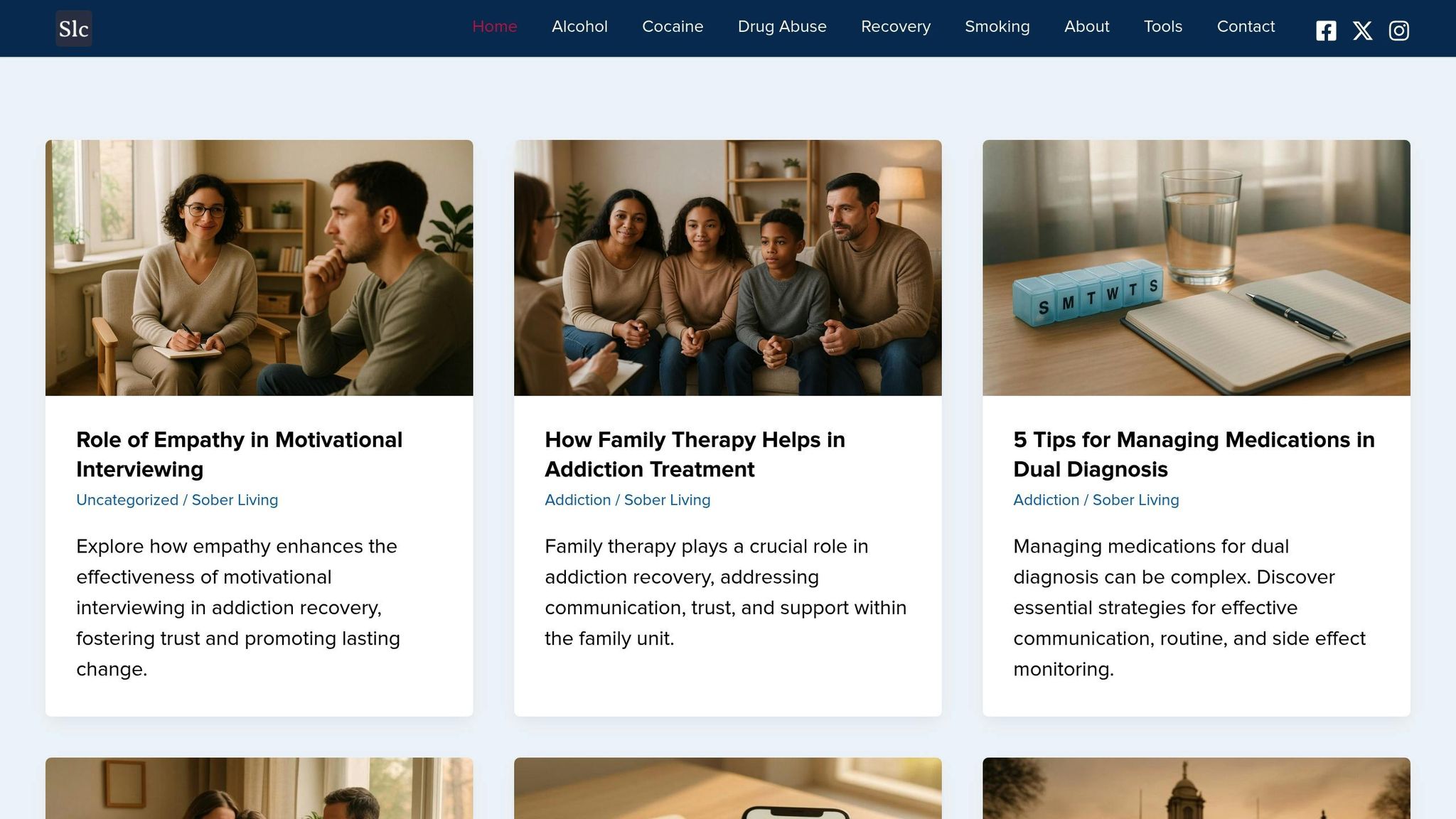
Sober Living Centers is a valuable platform offering a wealth of educational materials tailored to families dealing with addiction and recovery. Their resources cover key topics such as the effects, causes, symptoms, prevention, and treatment of drug and alcohol abuse – critical knowledge for families looking to better understand their loved one’s situation.
Some of their standout articles include “How Family Therapy Helps in Addiction Treatment” and “Ultimate Guide to Self-Care for Families”. These pieces emphasize the dual importance of supporting loved ones while also prioritizing self-care for family members.
For those seeking actionable advice, Sober Living Centers provides practical guides like “5 Practical Tips to Support Someone in Addiction Recovery” and “8 Life-Changing Benefits of Sober Living Homes.” These resources explain not only the benefits of sober living homes but also how their structured environments can contribute to a successful recovery journey.
Learning About Recovery Rules
Understanding the rules of recovery is another crucial step for families. Familiarity with the reasoning behind sober living rules can transform skepticism or confusion into meaningful support. Educational materials help families grasp why these rules – such as curfews, drug screenings, and visitor policies – are vital for maintaining a stable recovery environment.
Sober Living Centers addresses common knowledge gaps through clear explanations, FAQs, and expert insights. Families often report that learning about these policies helps them better support their loved ones. For instance, case studies have shown that families who understand the importance of curfews and drug screenings are more likely to back these rules at home, leading to fewer relapses and stronger recovery outcomes.
Additionally, the platform provides information on legal and ethical standards, including state and federal guidelines and residents’ rights. This ensures families have access to accurate, location-specific information that helps them navigate the recovery process with confidence.
Staying informed is an ongoing effort. Families can subscribe to newsletters, attend educational sessions, and regularly visit platforms like Sober Living Centers for updates on sober living rules and best practices. This continuous learning not only keeps them aware of changes but also reinforces the importance of structure in recovery, empowering families to play an active role in their loved one’s sobriety journey.
Conclusion
Sober living rules play a key role in supporting recovery by creating structured environments where individuals can rebuild their lives while staying sober. These guidelines – such as zero-tolerance policies, daily routines, and assigned responsibilities – help establish the stability needed for long-term success.
For families, understanding these rules can turn uncertainty into meaningful support. By learning how these rules work, families can better assist their loved ones without disrupting the structure that’s so important to recovery. Striking a balance between enforcing rules and respecting personal boundaries is vital, as it creates a supportive yet structured environment.
Beyond understanding the rules, ongoing education and support are essential for families. Recovery doesn’t stop at knowing the basics – it’s a continuous journey. Resources like those offered by Sober Living Centers provide families with updated information on best practices, changes in guidelines, and advancements in addiction recovery. Staying informed helps families adjust their approach as their loved ones move through different phases of recovery.
Studies consistently highlight that structured sober living environments lead to lower relapse rates and better long-term outcomes compared to unstructured living situations. By respecting house rules and reinforcing them at home, families contribute to a supportive atmosphere where recovery can thrive.
Ultimately, when families view these rules as tools for recovery, they help create safe spaces for their loved ones to develop life skills and maintain sobriety. This foundation not only supports recovery but also empowers individuals to build meaningful, fulfilling lives.
FAQs
How can families support their loved ones while respecting sober living home rules?
Families play a crucial role in supporting a loved one’s recovery journey, especially when it comes to understanding and respecting the rules of sober living homes. These guidelines are in place to create a structured and supportive space that encourages accountability and a commitment to sobriety.
To support your loved one effectively, focus on maintaining open and honest communication. Encourage them to adhere to the home’s rules, which may include curfews, attending mandatory meetings, and maintaining a drug-free lifestyle. It’s equally important to avoid enabling behaviors. Instead, offer emotional support, celebrate their milestones, and reinforce their dedication to staying on track with their recovery.
By staying informed and showing empathy, families can play a meaningful part in helping their loved ones succeed in sober living and work toward long-term recovery.
How can families support their loved ones in sober living homes without disrupting their recovery?
Families play an essential role in a loved one’s recovery, but it’s equally important to honor the structure and guidelines of sober living homes. Here are a few ways to provide the right kind of support without unintentionally disrupting progress:
- Understand and respect the house rules: Sober living homes have specific rules in place to ensure a safe and supportive atmosphere. Take the time to learn these rules and encourage your loved one to follow them.
- Set healthy boundaries: Offer emotional support, but try not to micromanage their daily life or decisions. Recovery is about rebuilding independence, and overinvolvement can hinder that growth.
- Communicate with positivity: Focus on being supportive and nonjudgmental in your conversations. Celebrate their milestones, no matter how small, and approach setbacks with patience and understanding.
By creating a nurturing and respectful environment, families can offer meaningful support while empowering their loved one to thrive in their recovery journey.
Why should families understand the rules and structure of sober living homes, and how can this knowledge support their loved one’s recovery?
Understanding how sober living homes operate is crucial for families looking to support their loved ones during recovery. These homes typically have clear guidelines, such as maintaining sobriety, attending house meetings, and sharing household responsibilities. These rules aren’t just arbitrary – they’re in place to provide a structured and supportive environment that helps individuals stay on track.
When families take the time to familiarize themselves with these expectations, they can play a more active role in encouraging their loved ones to stick to the program. This awareness also helps build empathy and minimizes potential conflicts, paving the way for stronger relationships and a more supportive recovery journey.